
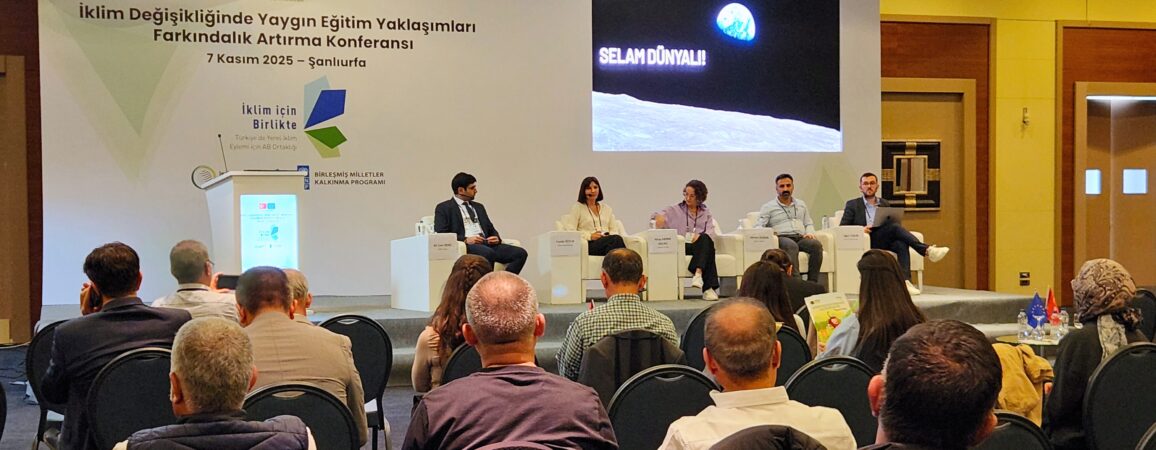
As part of the EU Partnership for Local Climate Action in Türkiye Project, the “Awareness-Raising Conference on Non-Formal Education Approaches in Climate Change” was held in Şanlıurfa on 7 November 2025. The event aimed to discuss non-formal education approaches in adressing climate change, enhance awareness, and strengthen the capacity for collective action at the local level.
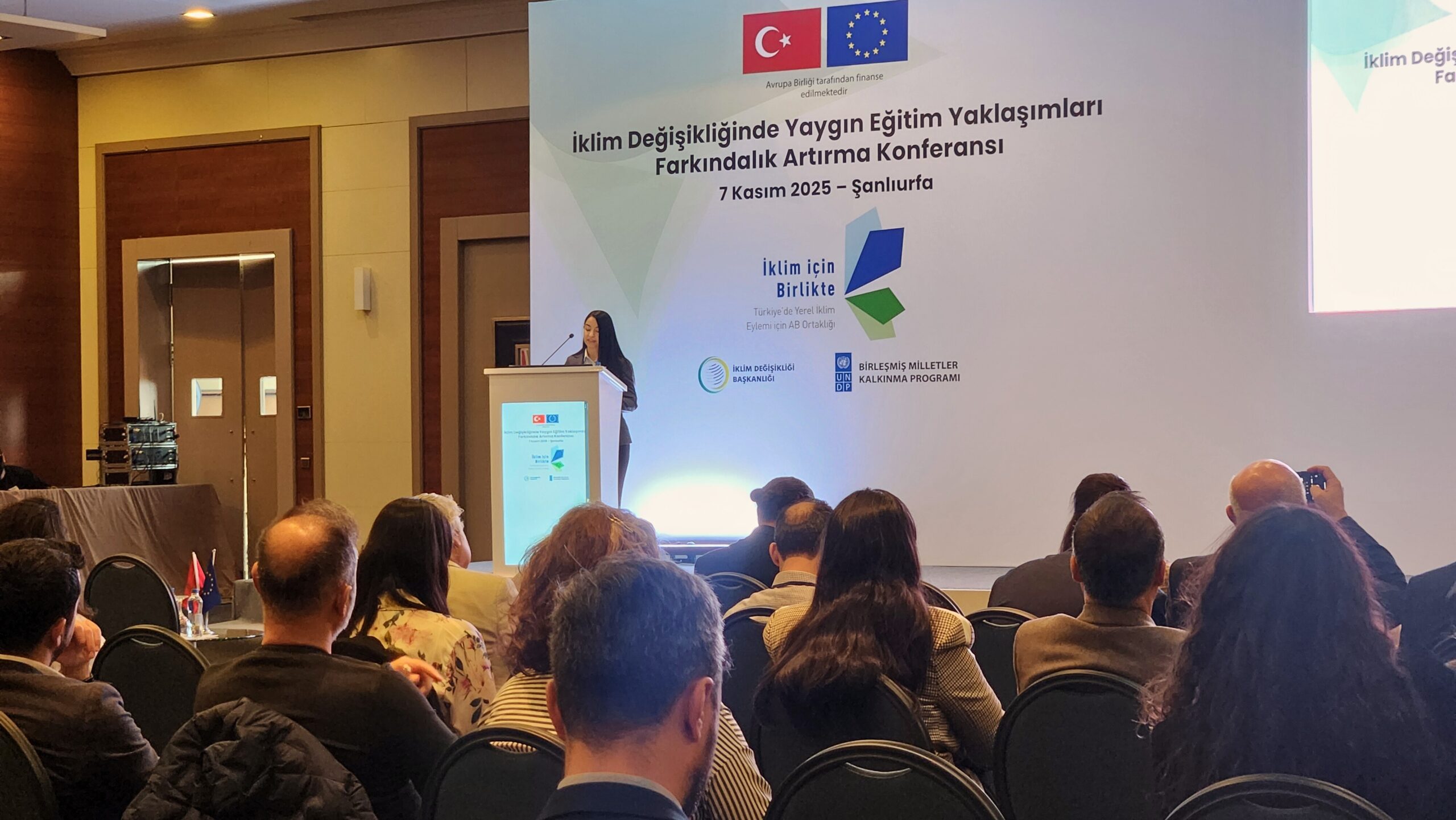
The conference began with opening speeches delivered by representatives of the Directorate of Climate Change of the Ministry of Environment, Urbanization and Climate Change, UNDP Türkiye, and Şanlıurfa Metropolitan Municipality. The speakers highlighted the critical role of local governments in tackling climate change, the importance of non-formal education in achieving sustainable development goals, and the contribution of national and international cooperation. The significance of the Local Climate Change Action Plans (LCCAPs), which have become mandatory across all 81 provinces under the Climate Law, was also emphasized.
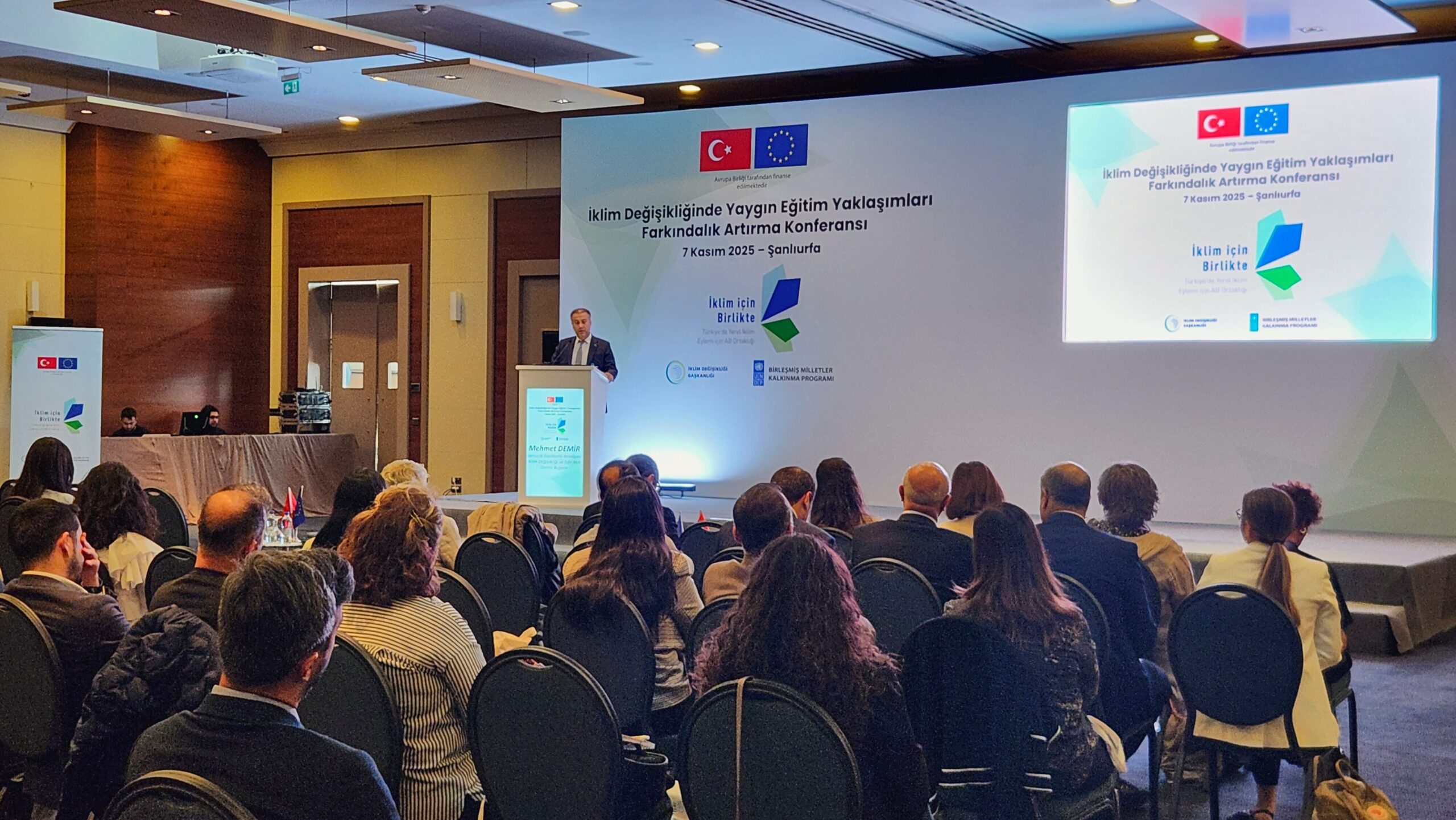
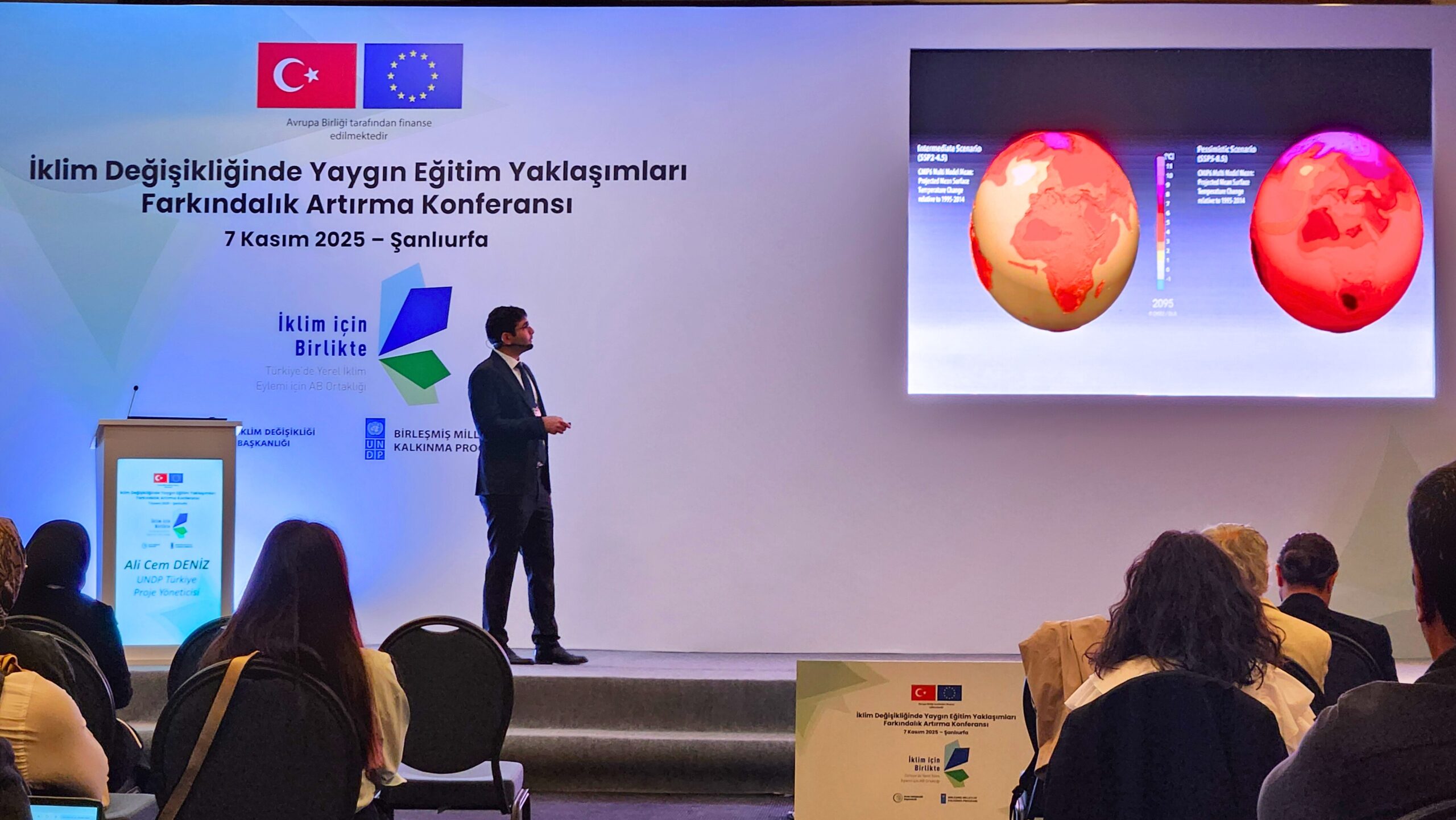
Following the opening remarks, UNDP Türkiye Project Manager Ali Cem Deniz presented an overview of global scientific perspectives based on SSP2-4.5 and SSP5-8.5 climate scenarios, sharing data on the impacts of climate change across the Europe and Mediterranean Basin. He also provided information on the project’s objectives, components, and achievements, underlining its contribution to local climate action. Mr. Deniz also emphasized that the conference provided a valuable platform for both participants and the project to exchange knowledge, share experiences, and raise awareness.
The program continued with a presentation by Dr. Banu Gündoğan, Member of the Board of the Nature Conservation Centre, titled “Climate Change Education from the Perspective of Science Centres.” She highlighted the role of science centers in connecting science with society, strengthening the “culture of hope and action” in the fight against climate change, and promoting awareness. Dr. Gündoğan underlined the importance of adapting global knowledge to local realities to enhance the effectiveness of climate awareness efforts.
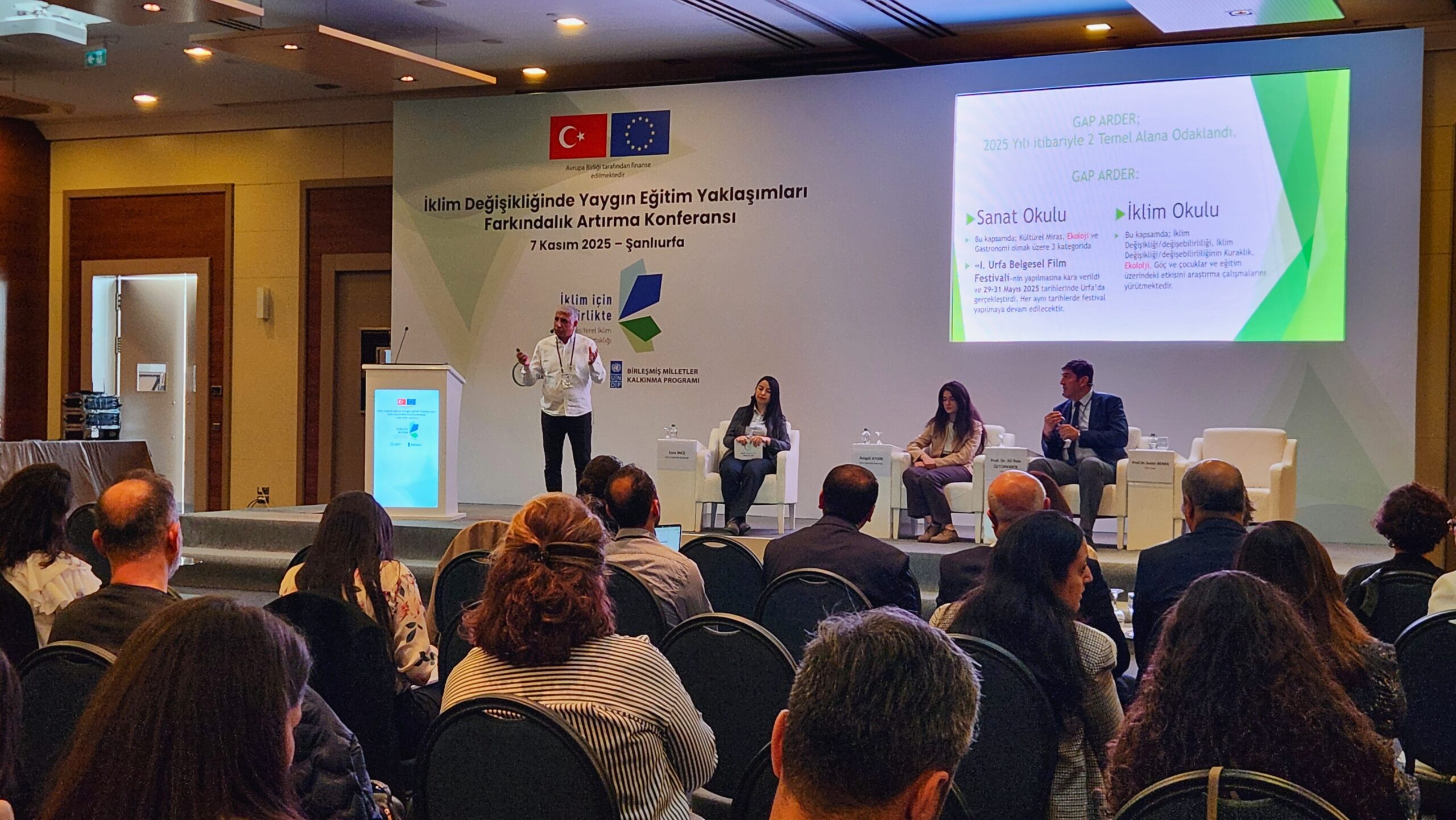
The first panel, “Climate Change in Non-Formal Education,” was moderated by Esra İnce, Head of Department at the Directorate of Climate Change. During the session, Aslıgül Aydın, Assistant Expert at the Directorate, introduced the Climate Portal and demonstrated its potential use in education processes. Prof. Dr. Ali Rıza Öztürkmen, Şanlıurfa Representative of the TEMA Foundation, discussed the foundation’s educational initiatives on climate change across Türkiye and in Şanlıurfa, sharing his personal observations on the devastating impacts of climate change in the region. Prof. Dr. Sedat Benek from GAP ARDER explained their initiatives, including the Climate School and Art School programs, which addresses the impacts of climate change on drought, ecology, migration, and education. He also emphasized their efforts enhancing climate awareness through the Urfa Documentary Film Festival, focusing on cultural heritage, ecology, and gastronomy.
After the lunch break, the second panel titled “The Role of Civil Society in Local Climate Awareness” was moderated by Ali Cem Deniz, UNDP Türkiye Project Manager. Funda Öztürk, Secretary General of Yuvam Dünya Association, presented the association’s awareness-raising initiatives under the motto “One Day is Today.” She introduced the Climate Academy and Climate Clinic,Türkiye’s first of their kind, designed to build capacity and awareness among healthcare professionals. Nilay Abınık Akçalı, Director of the Sustainability Programme at Habitat Association, shared their “Water for Life” and “Needed for the Planet” projects, which aim to foster sustainability awareness among children and youth. She highlighted the importance of “field engagement, understanding local contexts, and building trust,” emphasizing that transformative awareness means the ability to act. Ahmet Doğan from the Edessa Institute shared findings from studies on Şanlıurfa’s climate vulnerability, noting that these insights have supported young people developing local solutions. Ramazan Oğuz Tosun, President of the Global Balance Association, underlined the unifying and educational role of civil society and the power of local partnerships in enhancing climate awareness.
The final session, “Climate Change in Non-Formal Education – Good Practices,” was moderated by Prof. Dr. Osman Balaban, Urban Climate Change Expert at UNDP Türkiye. Mehmet Demir, Head of the Climate Change and Zero Waste Department at Şanlıurfa Metropolitan Municipality, presented the municipality’s projects on zero waste and climate adaptation, highlighting the local impact of these initiatives. Merve Özkara Demirkaya, Head of the Energy Management and Climate Change Department at Gaziantep Metropolitan Municipality, shared examples of the city’s energy efficiency and climate-friendly urban planning practices. Nilgün Çavuşoğlu, Adolescent and Youth Engagement Officer at UNICEF Türkiye, discussed initiatives such as Climate Ambassadors and LCOY, which have enabled young people to contribute actively to global climate negotiations like COP27, COP28, and COP29. Dr. Melike Kuş, Coordinator of the Soil and Water Programme at the Nature Conservation Centre, shared experiences from projects in the Harran Plain that promote water efficiency, climate-resilient farming networks, and sustainable use of local species, contributing to farmers’ awareness and local adaptation capacity.
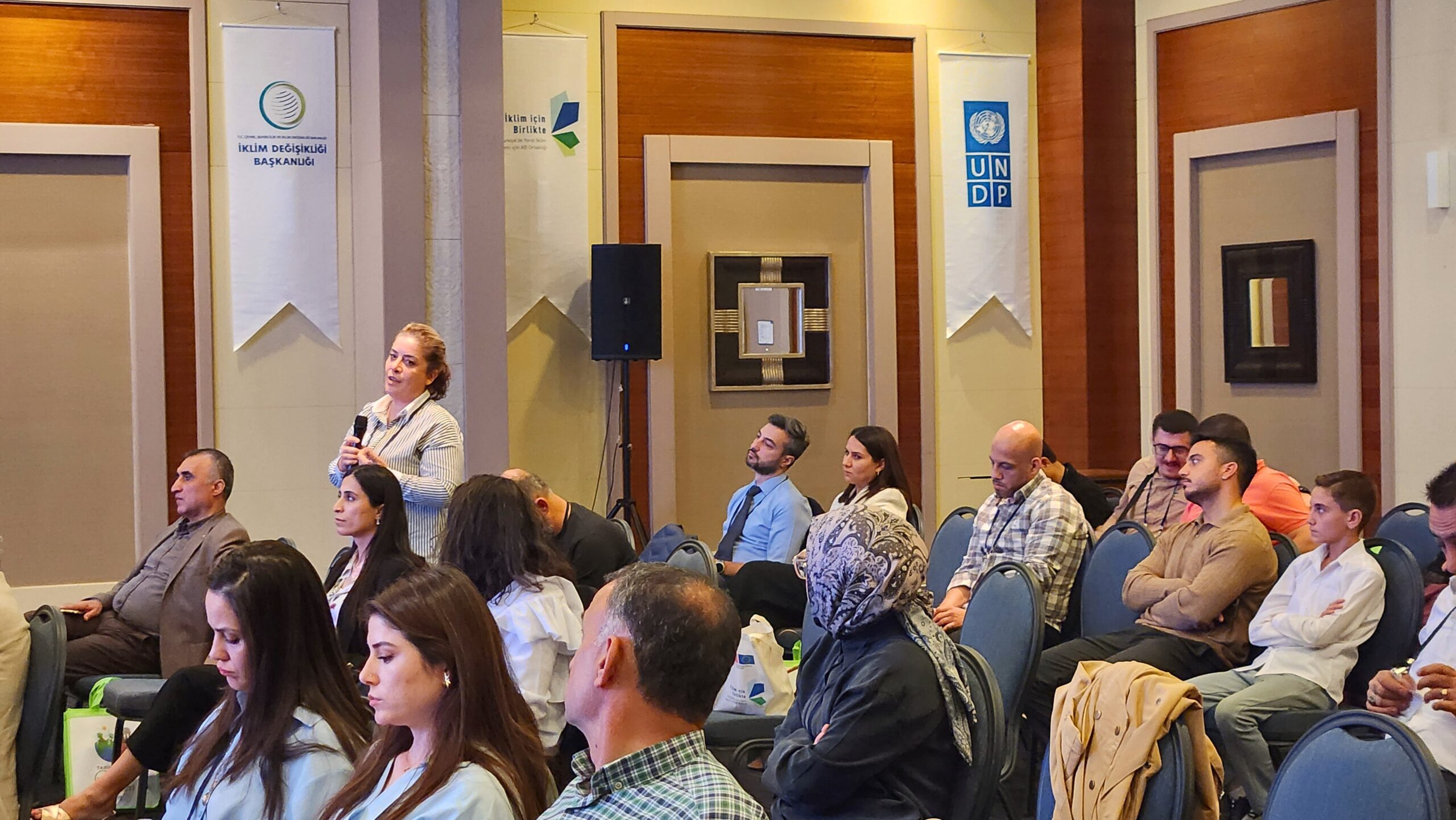
Throughout the conference, participants discussed the transformative roles of local governments, youth, and civil society in climate education and exchanged examples of best practices. At the closing session, all stakeholders agreed on the importance of sustaining collaboration, expanding educational content, and strengthening local climate awareness. The conference aimed to enhance the collective action capacity of local authorities, educational institutions, and civil society organizations in addressing climate change, while promoting public awareness through non-formal education. The event once again underscored the importance of collective contributions from all sectors of society in addressing to climate change. The insights and experiences shared by participants will guide upcoming awareness and education activities to be implemented nationwide under the EU Partnership for Local Climate Action in Türkiye Project.