
Within the scope of the “EU Partnership for Local Climate Action in Türkiye” Project, studies have started in 6 pilot cities to strengthen planning capacity for local climate action. In this context, online information meetings were held with relevant local stakeholders from Isparta, Ordu, Antalya, Kahramanmaraş, Kastamonu, and Elazığ provinces. These meetings emphasized the urgency and importance of the measures to be taken in the fight against climate change at the local level.

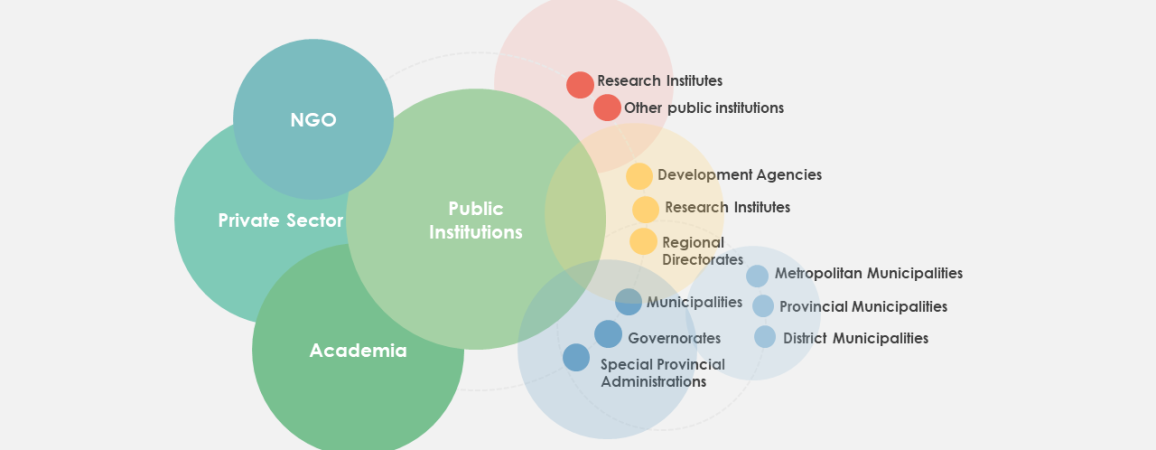
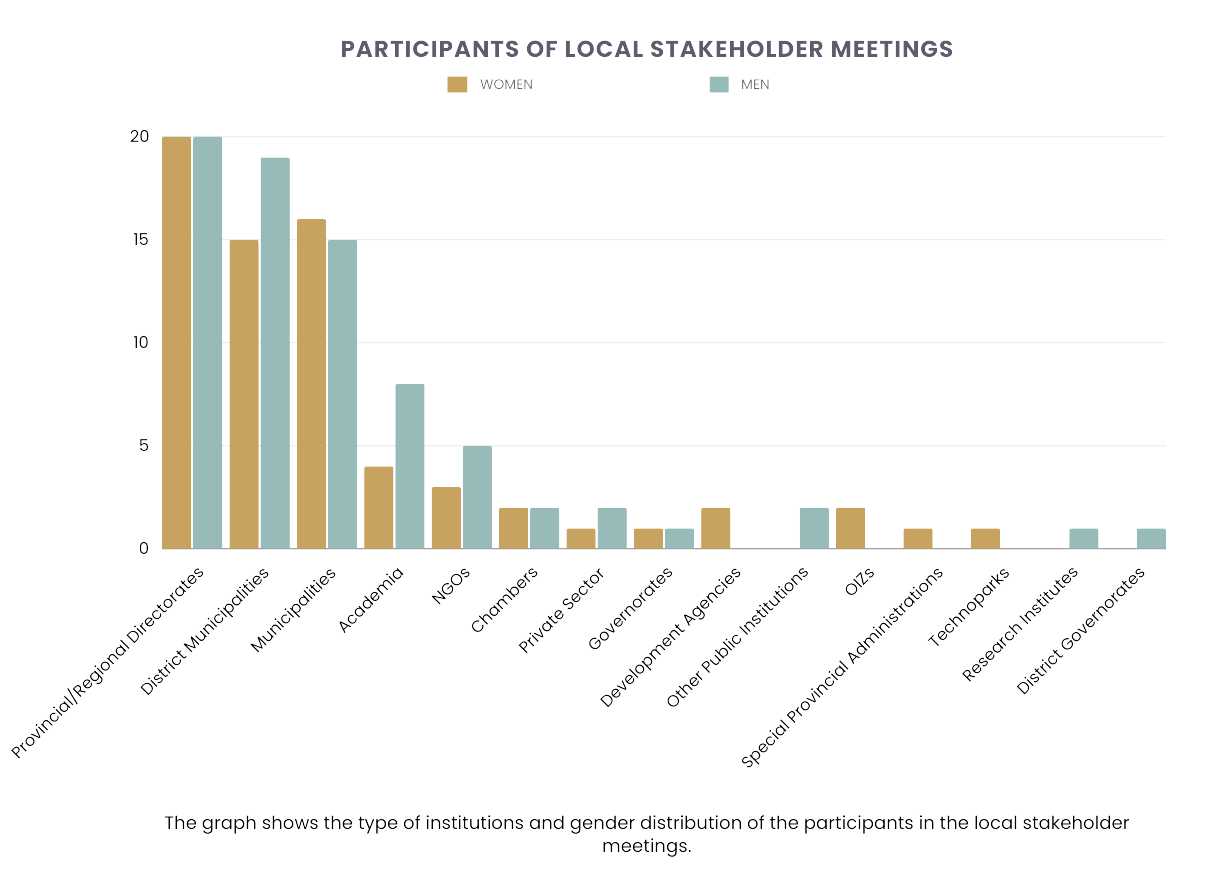
144 representatives from provincial and district municipalities, provincial and regional directorates of public institutions, governorates, district governorates, universities and non-governmental organizations from Isparta, Ordu, Antalya, Kahramanmaraş, Kastamonu, and Elazığ participated in the meetings.
In their opening remarks, Ms. Neslihan Ağartan and Ms. Esra İnce, experts from the Directorate of Climate Change of the Ministry of Environment, Urbanization and Climate Change, emphasized that in addition to national policies, climate change adaptation and greenhouse gas mitigation activities should be planned and implemented locally. The experts stated that local climate change action plans will be prepared in 6 pilot provinces within the scope of the project and will be disseminated to 81 provinces with the entry into force of the Climate Law. Ms. Özge Gökçe Aktaş, Sector Manager for Sustainable Development and Climate Change at the Delegation of the European Union to Türkiye, emphasized the importance of climate change in EU-Türkiye relations and the need for cooperation to achieve the EU’s goals, and she stated that the EU has various initiatives in this regard.
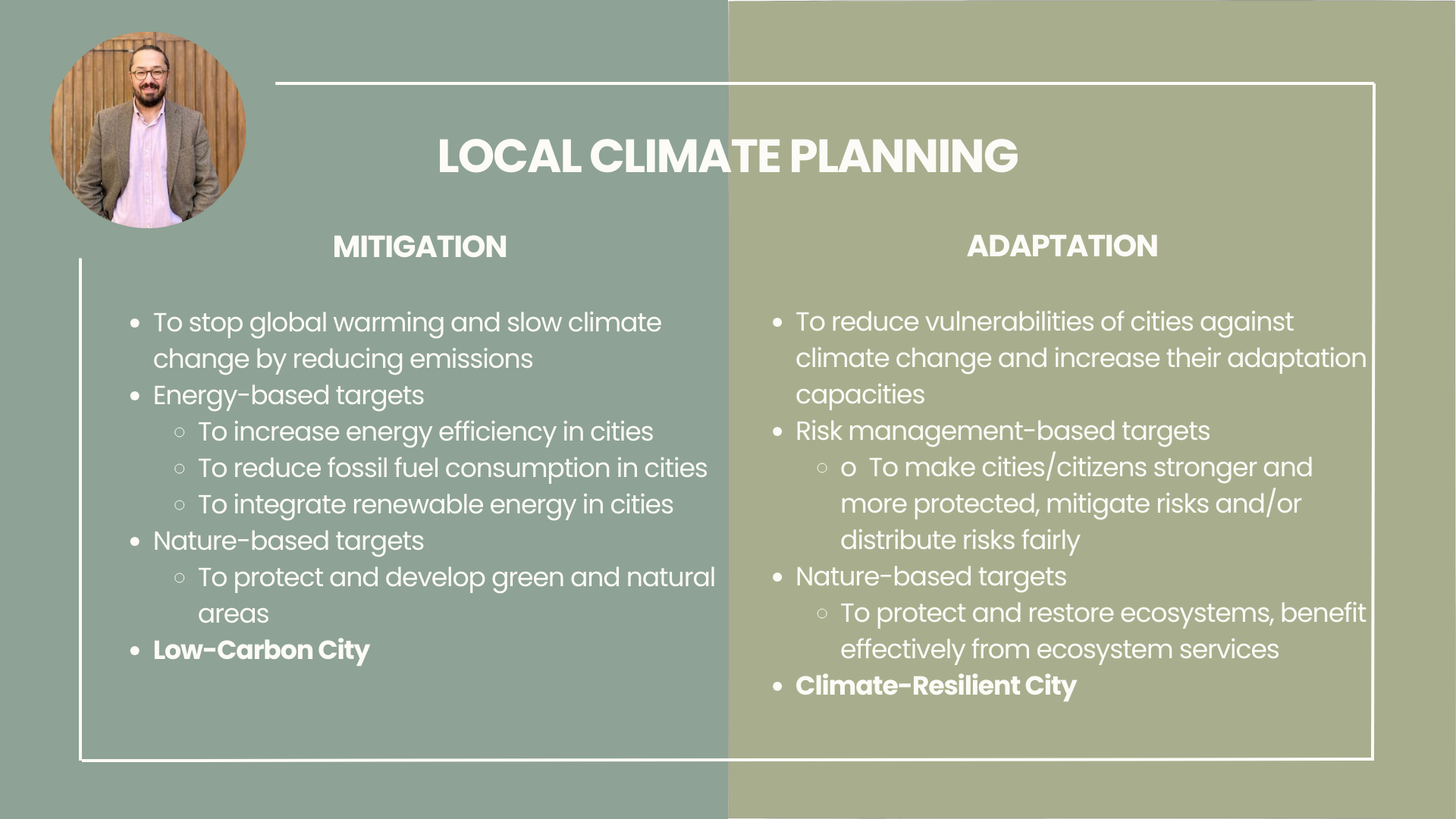
Ms. Ceren Özkan, Project Manager, informed the stakeholders about the activities to be carried out within the scope of the project and the targeted results. Prof. Dr. Osman Balaban, Urban Climate Change Key Expert in the project, talked about the scientific basis of climate change, its relationship with human settlements and its local impacts. In his presentation, he emphasized the two main axes of climate policies, i.e., climate change adaptation and greenhouse gas mitigation, and discussed possible strategies to strengthen adaptation and mitigation capacities at the local level. He highlighted the importance of issues such as the use of new technologies, nature-based solutions, and social justice within the scope of integrated solutions to combat climate change. Emphasizing the importance of integrated solutions and new planning approaches for local climate policies to be effective, Prof. Dr. Balaban detailed the stages to be followed in climate action plans: current situation analysis, vulnerability and risk assessments, determination of vision and goals, identification of solutions and priorities, and he presented best practices of cities such as Istanbul, Johannesburg and Durban.
During the meetings, local stakeholders shared their observations on environmental, economic and social problems caused by climate change in their provinces and talked about the studies they are carrying out in this field. Surveys were shared with the participants to assess the technical and administrative capacities of municipalities and other local stakeholders in designing and implementing climate actions and measures as well as with the purpose of guiding the planning studies accordingly.
These meetings, which were organized to introduce the project to local stakeholders who are expected to play an active role in the preparation processes of the local climate change action plans in the selected pilot provinces, were completed in 6 pilot provinces. The project will continue to contribute to the combat climate change across Türkiye.