
As Türkiye prepared to host COP31, the Ankara Climate Transition Forum (ACT 2026), organized under the EU Partnership for Local Climate Action in Türkiye Project, took place on 15-16 October 2026 under the theme “Strengthening Local Climate Action in Türkiye Towards COP31.” Jointly organized by the Delegation of the European Union to Türkiye, the Directorate of Climate Change and UNDP Türkiye under the project funded by the European Union, implemented by UNDP Türkiye and with the Directorate of Climate Change as its final beneficiary, the Forum brought together local governments, international organizations, scientists, financial institutions and civil society representatives. During the two-day event, priorities for translating climate goals into concrete actions in cities and strengthening local climate action were discussed.
The event, held in a hybrid format, brought together 179 in-person participants and 869 online participants. The Forum, which welcomed participants from different cities across Türkiye and abroad, explored how scientific knowledge, local government capacity, financing and public participation could be brought together to build more climate-resilient cities.
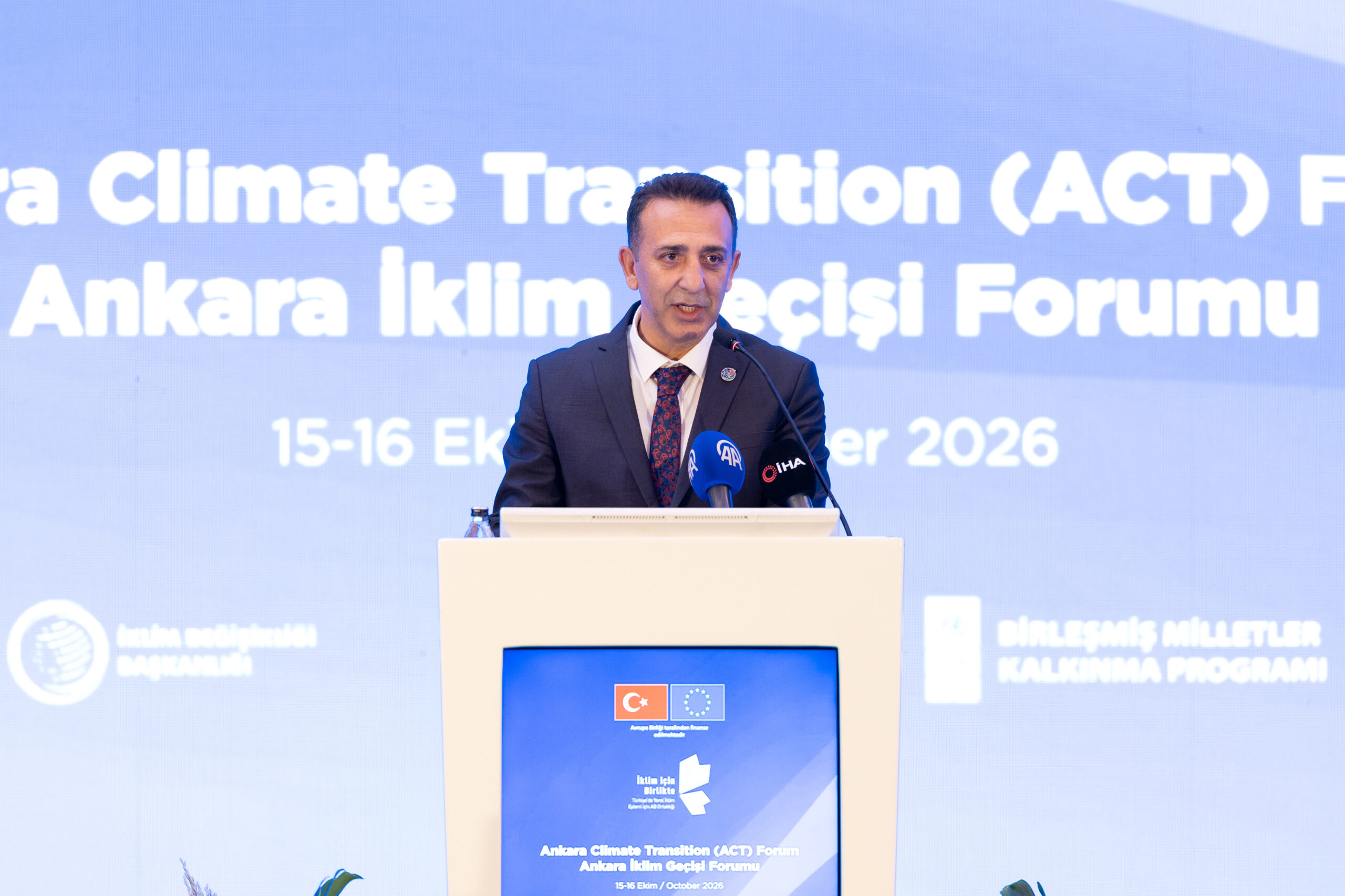
The Forum’s opening remarks were delivered by Prof. Dr. Halil Hasar, President of the Directorate of Climate Change; Monica Merino, UNDP Türkiye Resident Representative; and Maria Luisa Wyganowski, Head of Cooperation at the Delegation of the European Union to Türkiye.
Prof. Dr. Halil Hasar, President of the Directorate of Climate Change, stated that climate change is no longer a future projection but a reality that directly affects daily life and economic activities. Emphasizing the need to translate scientific data into concrete action, Hasar highlighted the importance of preventive measures against climate risks and strengthening the capacities of local governments. He also shared Türkiye’s vision for COP31, which it will host, as a conference focused on science, adaptation and implementation, noting the aim of translating international climate decisions into tangible results on the ground.
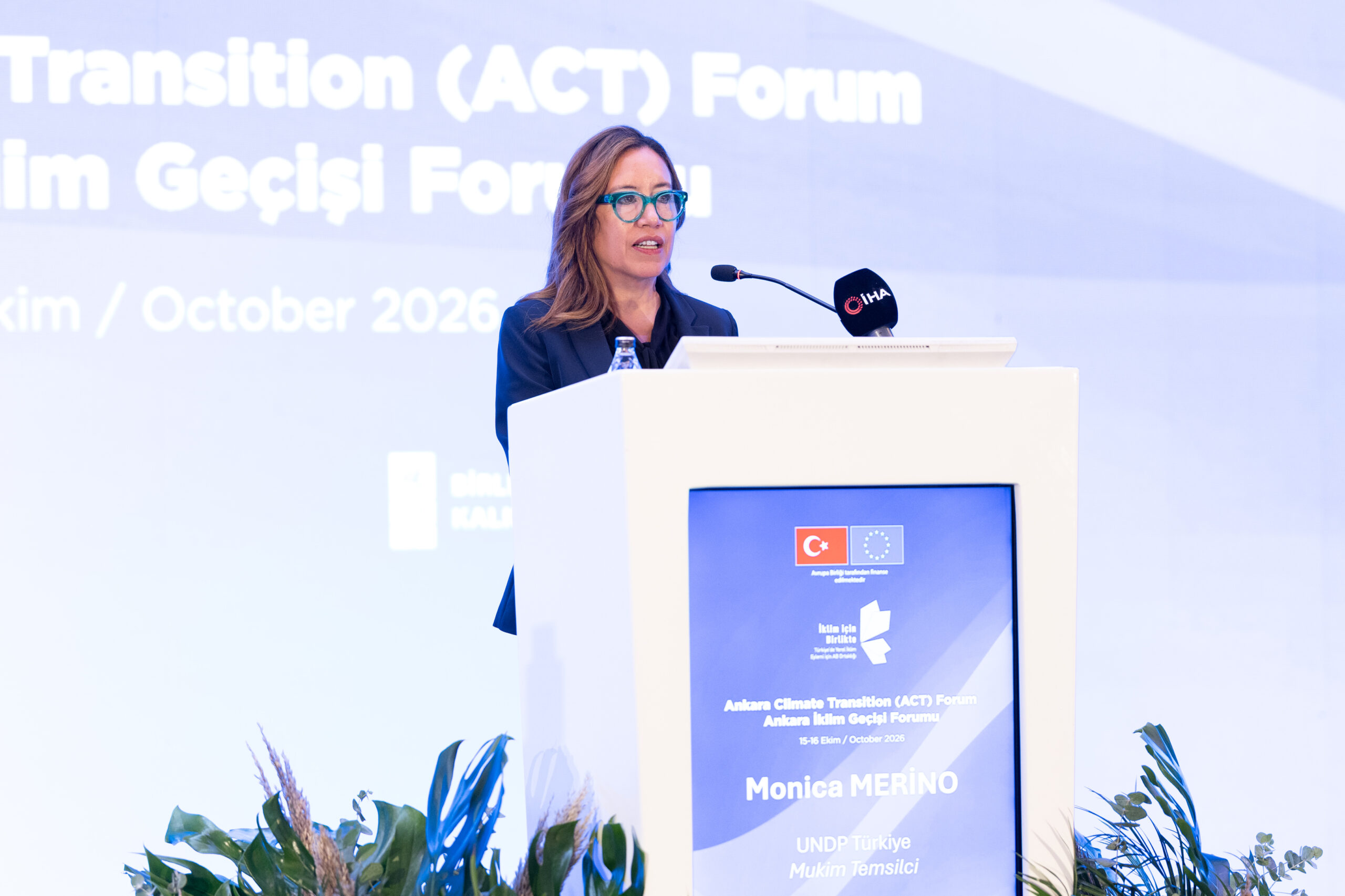
Monica Merino, UNDP Türkiye Resident Representative, emphasized that cities are among the areas most affected by climate change, while also being an essential part of the solution. She noted that measures taken at the local level to address risks such as floods, droughts and extreme heat can deliver not only environmental but also social and economic benefits. Referring to the climate projections, risk assessments and local climate planning activities developed under the EU Partnership for Local Climate Action in Türkiye Project, Merino highlighted the importance of translating scientific knowledge into actionable local measures ahead of COP31.
Maria Luisa Wyganowski, Head of Cooperation at the Delegation of the European Union to Türkiye, highlighted that addressing climate change requires collective efforts by public institutions, local governments, financial institutions and civil society. She emphasized the need to base local climate policies on scientific evidence, strengthen the technical and institutional capacities of municipalities, and connect climate investments with financing opportunities. Referring to the European Union’s support for local climate initiatives in Türkiye, Wyganowski underlined the importance of translating international climate goals into concrete actions that respond to the needs of cities in the lead-up to COP31.
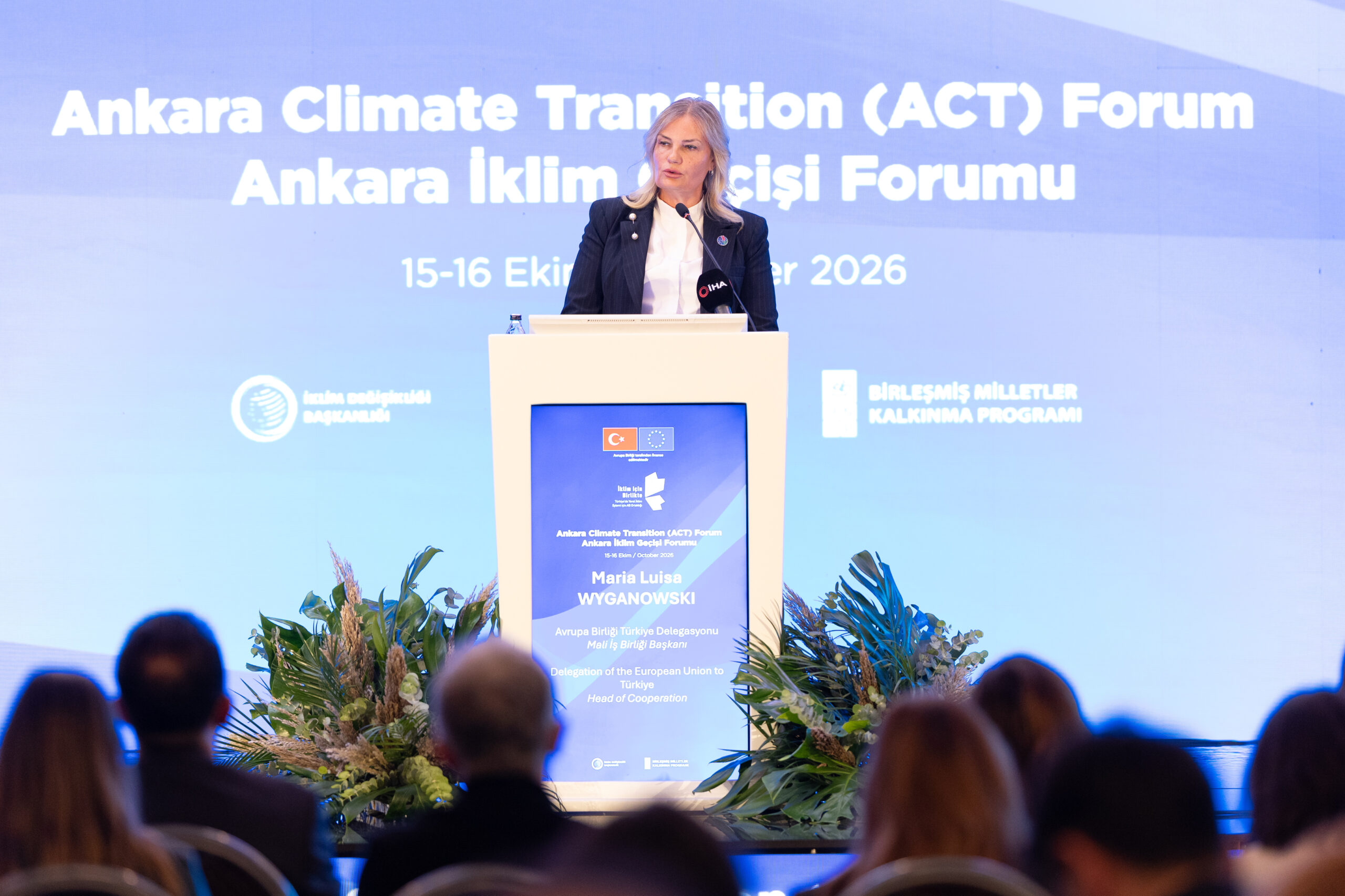
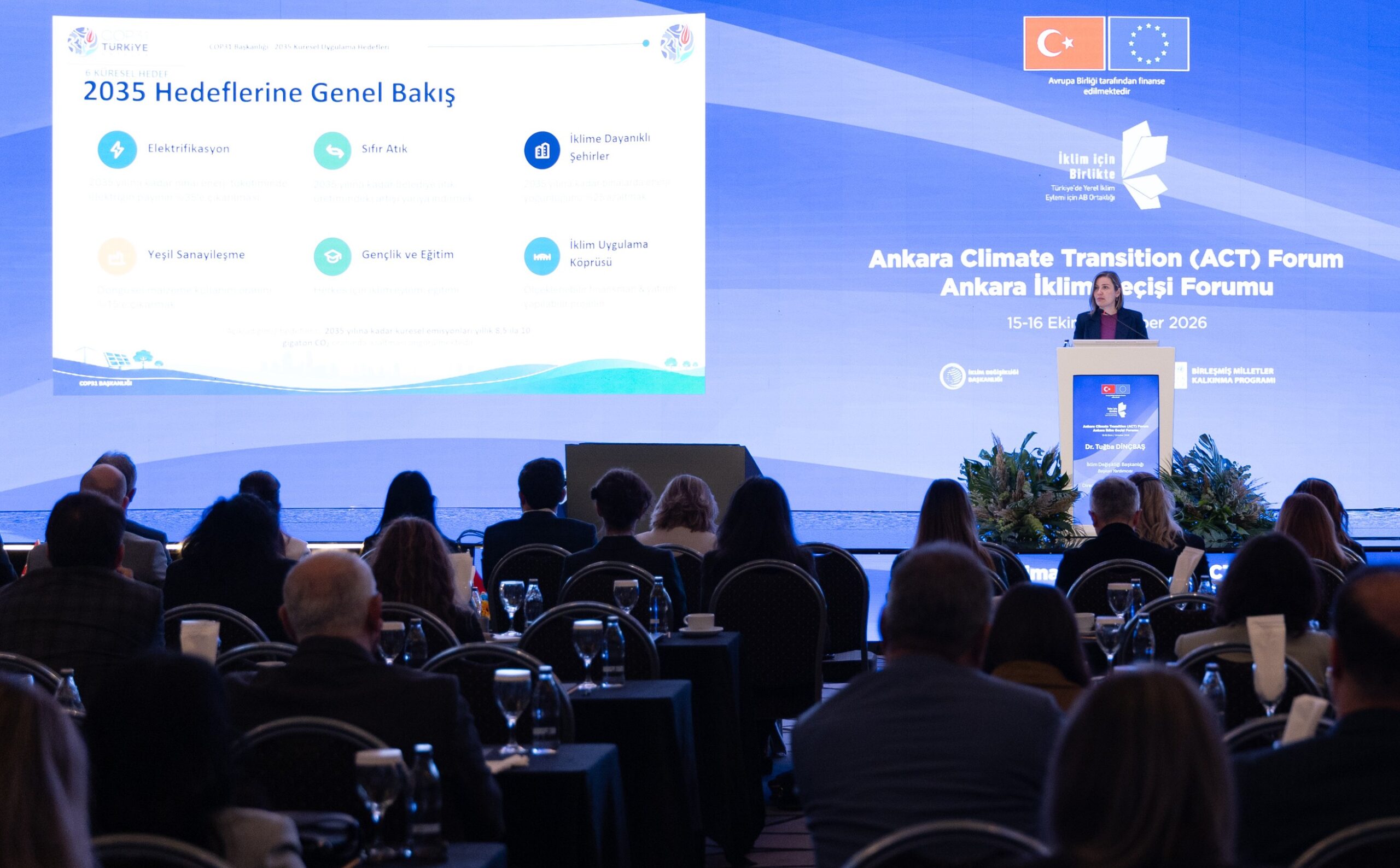
Following the opening remarks, Dr. Tuğba Dinçbaş, Vice President of the Directorate of Climate Change, presented Türkiye’s preparations for COP31 and the conference’s priorities in her presentation titled “Road to COP31: Dialogue, Consensus and Action.” Ali Cem Deniz, Project Manager at UNDP Türkiye, then shared the activities carried out and the results achieved under the EU Partnership for Local Climate Action in Türkiye Project.
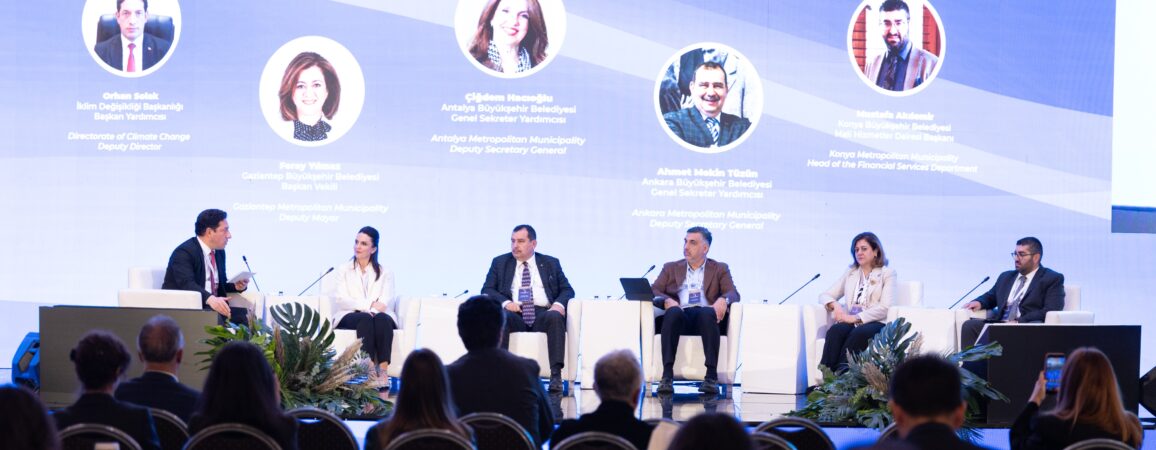
On the first day of the Forum, the role of local governments in addressing climate change and efforts to strengthen urban resilience came to the forefront. During the panel titled “Local Climate Action – More Resilient Cities,” representatives from the metropolitan municipalities of Gaziantep, Antalya, Ankara, Konya and Erzurum shared their experiences in developing local climate policies and the challenges encountered during implementation.
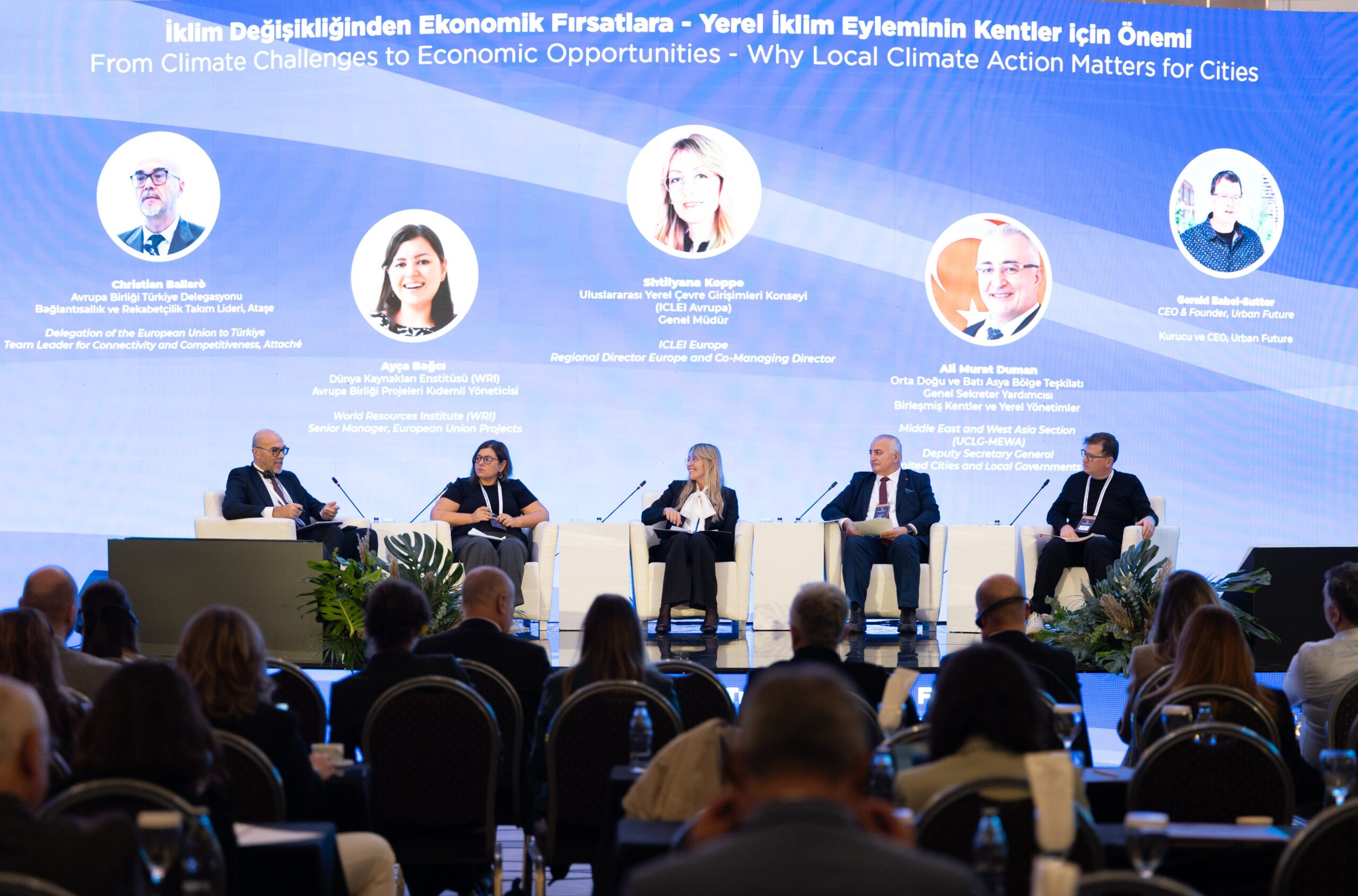
The international dimension of local climate action was discussed during the panel titled “From Climate Change to Economic Opportunities – The Importance of Local Climate Action for Cities.” Bringing together representatives from the World Resources Institute (WRI), ICLEI Europe, UCLG-MEWA and Urban Future, the session explored the economic opportunities associated with climate action, international experiences and opportunities for cooperation among local governments.
The panel titled “Making the Economy Climate-Resilient – Adaptation as a Driver of Economic Growth and International Financial Institutions” brought together representatives from the European Investment Bank (EIB), the European Bank for Reconstruction and Development (EBRD) and ILBANK. Discussions focused on financing climate adaptation investments, the feasibility of local projects and cities’ access to international financing opportunities.
In the final part of the day, Dr. Nuha Eltinay from ICLEI Europe delivered a presentation titled “Reducing Uncertainty – Decision Support Tools for Climate Action,” exploring the role of scientific knowledge and decision-support tools in local climate policymaking.
On the second day of the Forum, discussions focused on the roles that different segments of society can play in the development and implementation of climate policies.
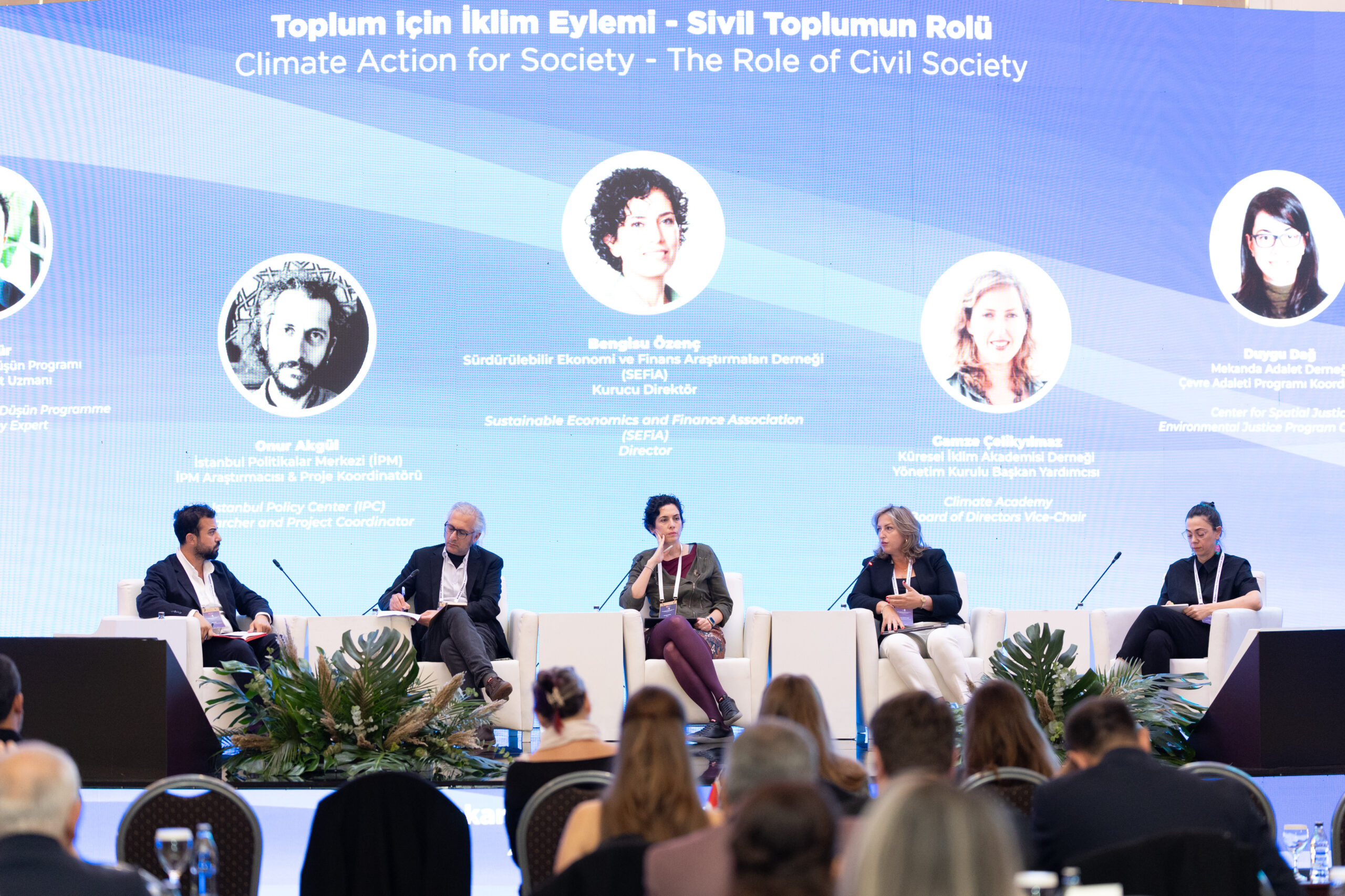
During the panel titled “Climate Action for Society – The Role of Civil Society,” representatives from the Istanbul Policy Center, the Sustainable Economics and Finance Research Association (SEFiA), the Global Climate Academy and the Center for Spatial Justice discussed climate justice, inclusive policies and civil society participation in decision-making processes.
The role of young people in climate action was addressed during the panel titled “Youth Leadership in Climate Action: From Participation to Action.” Bringing together representatives from UNICEF Türkiye, Climate Ambassadors, Let’s Do It Türkiye and GoFor, the session focused on the active participation of young people in shaping climate policies and implementing local initiatives.
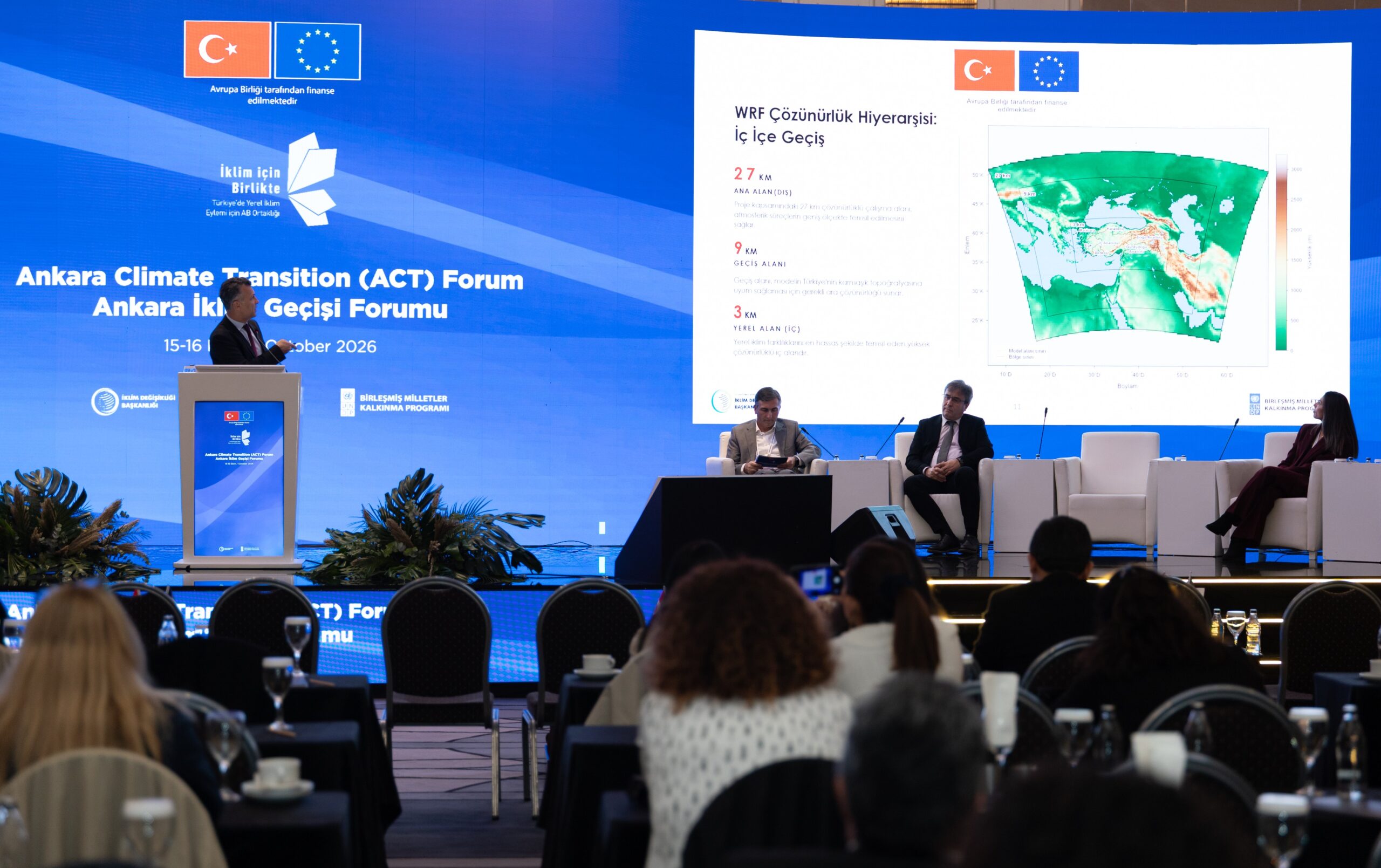
The Forum’s scientific agenda featured the high-resolution climate projections developed under the EU Partnership for Local Climate Action in Türkiye Project.
During the panel titled “Climate Transition – Insights from Climate Projections,” moderated by Prof. Dr. Ömer Lütfi Şen, regional climate projections at a resolution of 3 km, based on six global climate models and two emissions scenarios, were presented. Bringing together national and international experts, the session explored anticipated future climate changes and the use of climate projections in local risk assessments and planning processes.
Following the panel, Aslıgül Aydın from the Directorate of Climate Change introduced the “Climate Projections Data Distribution System,” designed to facilitate access to and use of the scientific data developed under the project.
Speaking at the Forum’s closing session, Valentina di Sebastiano, Head of Global Connectivity, Inclusive Growth and Green Development at the Delegation of the European Union to Türkiye, emphasized the need to connect local priorities with technical expertise, investment opportunities and financing resources to translate climate goals into tangible results in cities. Di Sebastiano also highlighted the importance of meaningful participation by civil society and young people in decision-making processes in the lead-up to COP31.
Tomica Paović, UNDP Türkiye Deputy Resident Representative, stressed the need to translate the dialogue held throughout the Forum into concrete steps, calling for scientific knowledge to inform decision-making processes and for local climate priorities to be supported by investments. In his closing remarks, Paović shared the following message:
“The real value of these two days will be measured by what we do next. We must strengthen cooperation, translate scientific knowledge into better decisions, and turn local climate priorities into investments and action.”
Bringing together the experiences and perspectives of different institutions over two days, the Ankara Climate Transition Forum provided a platform for discussing local climate action priorities ahead of COP31, highlighting the role of scientific data, financing opportunities and multi-stakeholder cooperation in strengthening cities’ resilience to climate change.