
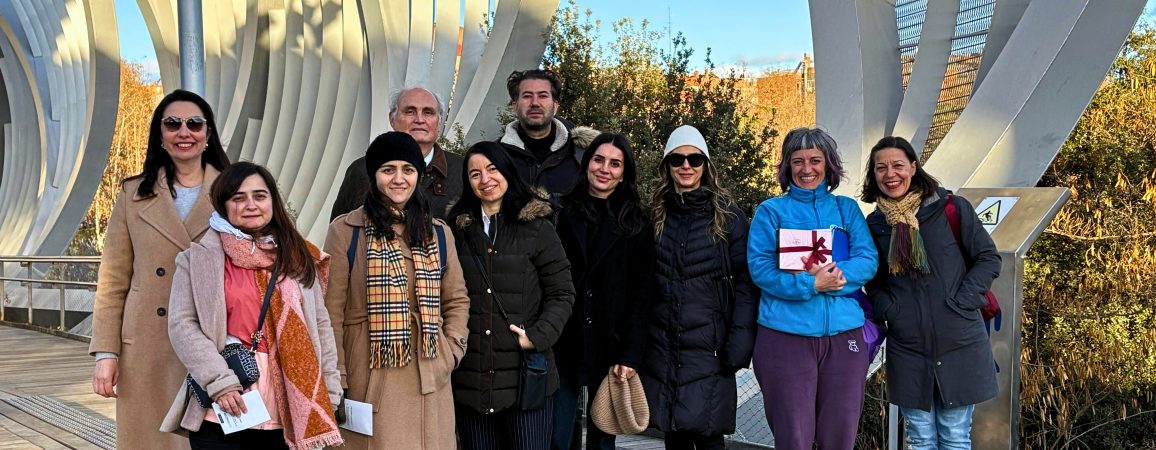
As part of the EU Partnership for Local Climate Action in Türkiye project, a study visit was conducted to Barcelona and Madrid to enhance the capacity of local authorities in climate change mitigation and adaptation. The visit provided an opportunity to observe firsthand how cities develop climate policies, implement sustainable urban planning approaches, and integrate nature-based solutions. Best practices, including the Barcelona Climate Action Plan, Madrid’s low-emission zones, green infrastructure projects, sustainable urban drainage systems, and energy transition policies, were examined and discussed in the context of their applicability to Türkiye.
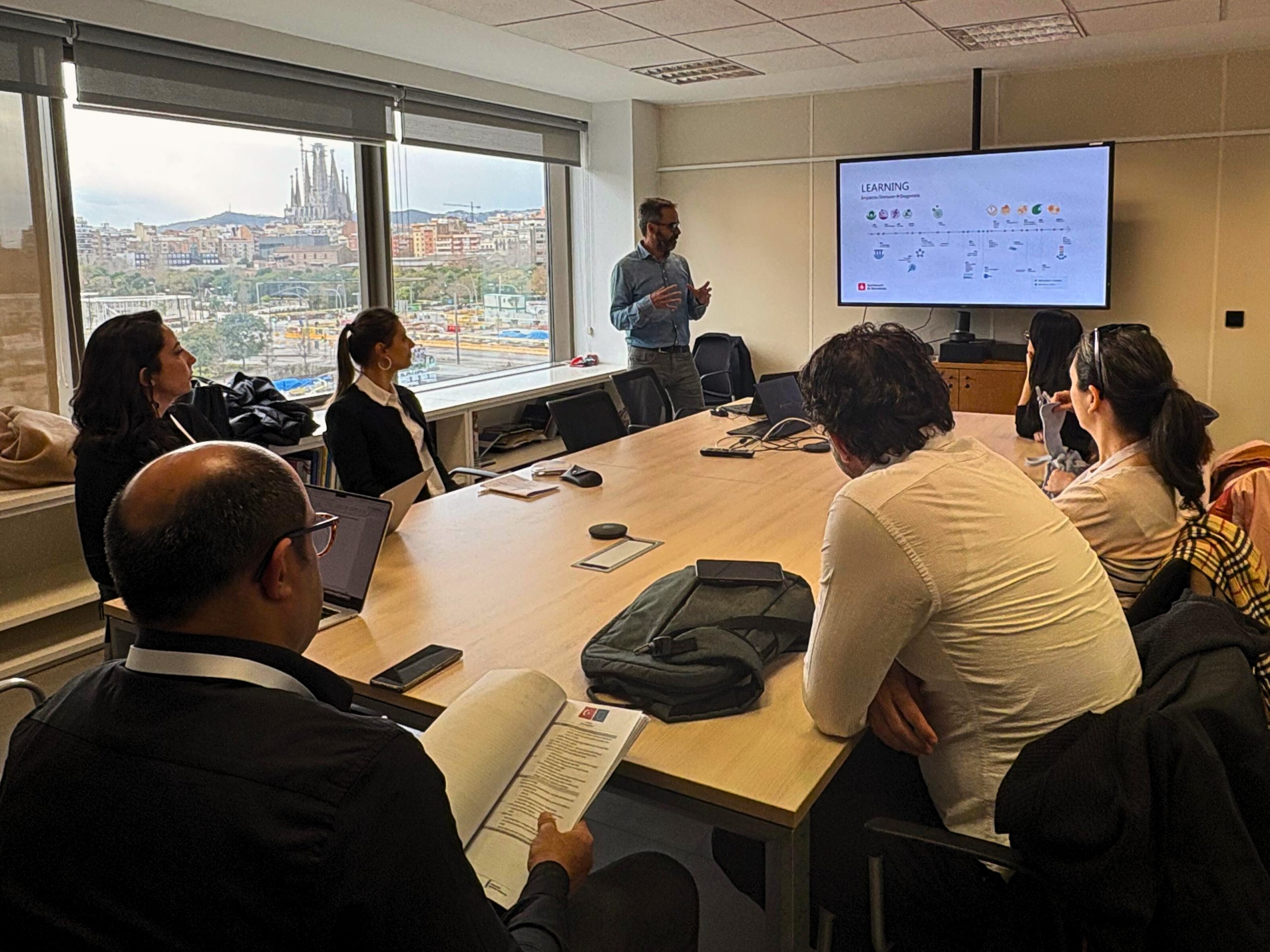
The meetings in Barcelona focused on integrating climate action into urban planning. On the first day, discussions at the Barcelona City Council covered the city’s climate action plan, emission reduction strategies, and adaptation policies. The Superblock Program, green space expansion strategies, and public engagement policies were highlighted as key initiatives that could serve as models for municipalities in Türkiye. The discussions also explored sustainable mobility policies, including measures to reduce emissions through public transportation improvements, bicycle lanes, and electric vehicle incentives.
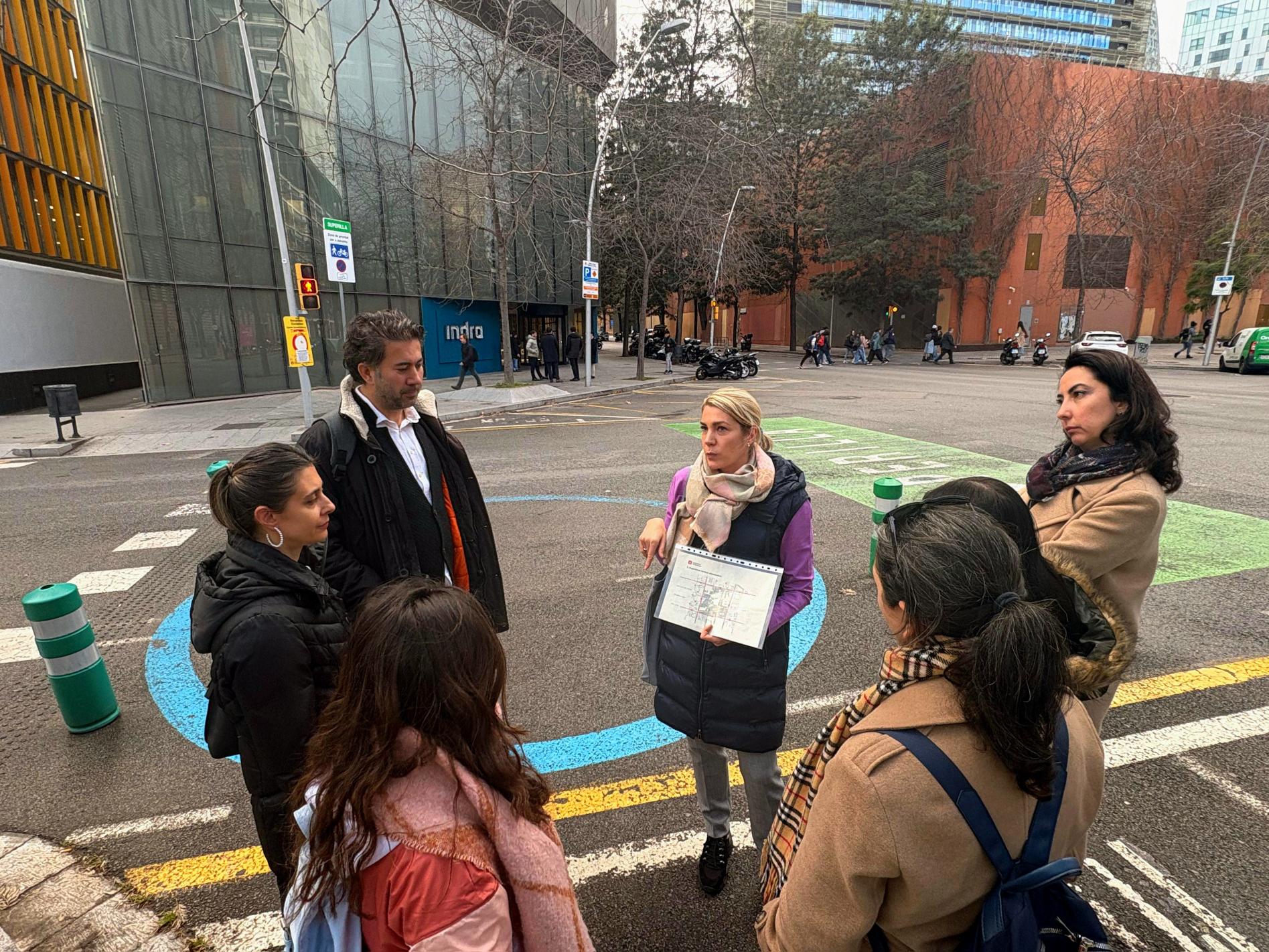
Following these discussions, site visits were conducted to 22@ Innovation District and Superblock areas, where city officials explained how urban redesign efforts have reduced traffic congestion, expanded pedestrian and cycling spaces, and improved air quality. The delegation observed how these projects have contributed to enhancing urban livability while reducing carbon emissions.
One of the most significant stops during the Barcelona visit was the Barcelona Supercomputing Center (BSC). Under the protocol signed in 2024 between the Directorate of Climate Change and TÜBİTAK, the first-ever 3-kilometer resolution climate projections at Türkiye’s scale are being developed as part of the project using MareNostrum 5 supercomputer at BSC.
During the meeting held at BSC, these high-resolution climate projections were presented, and potential technical collaborations with the MareNostrum team were discussed. The meeting covered topics such as climate modeling processes, the integration of climate data into municipal decision-making, and the development of data-driven adaptation policies. Additionally, there was a productive exchange of ideas regarding collaboration opportunities and capacity-building efforts within the framework of Türkiye’s ongoing climate projection studies.

On the second day, the focus shifted to water management and climate resilience. Meetings with Barcelona Cicle de l’Aigua, SA (BCASA) provided insights into efficient water use, stormwater management, and sustainable water infrastructure projects. The delegation also conducted a site visit to the Joan Miró Stormwater Storage Tank, where they examined how flood risk mitigation and green infrastructure are integrated into Barcelona’s urban planning.
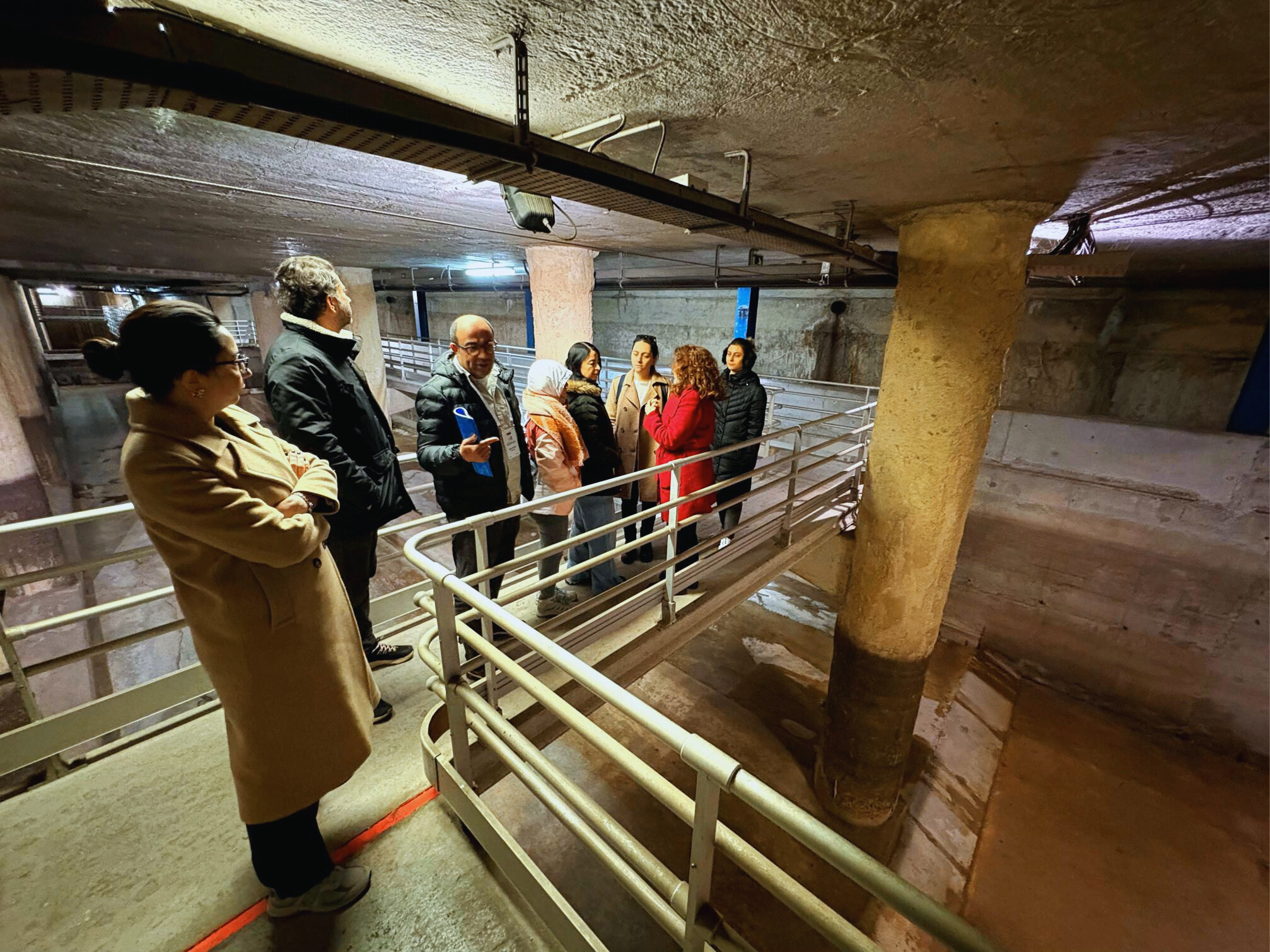
The final session in Barcelona took place at Parcs i Jardins de Barcelona, where discussions focused on the city’s Nature Plan 2030 and how it promotes urban greening, biodiversity, and climate adaptation. Participants exchanged ideas on the plan’s development process, participatory approaches, and its potential application in Türkiye.
Following the Barcelona meetings, the delegation traveled to Madrid to explore the city’s climate neutrality strategies. At the Madrid City Council, discussions covered the Madrid Climate Action Plan, low-emission zones, sustainable mobility projects, and energy efficiency strategies. Madrid’s low-emission zones, designed to reduce air pollution and carbon emissions by restricting high-emission vehicles, were evaluated as a potential model for Türkiye’s urban centers.
A key session was held with the Spanish Ministry for the Ecological Transition and Demographic Challenge, where a ministry official provided an overview of Spain’s national adaptation policies, the objectives of the National Adaptation Plan, and climate risk assessment tools, including the impact mapping tool. These insights provided valuable lessons for Türkiye’s climate risk management efforts.
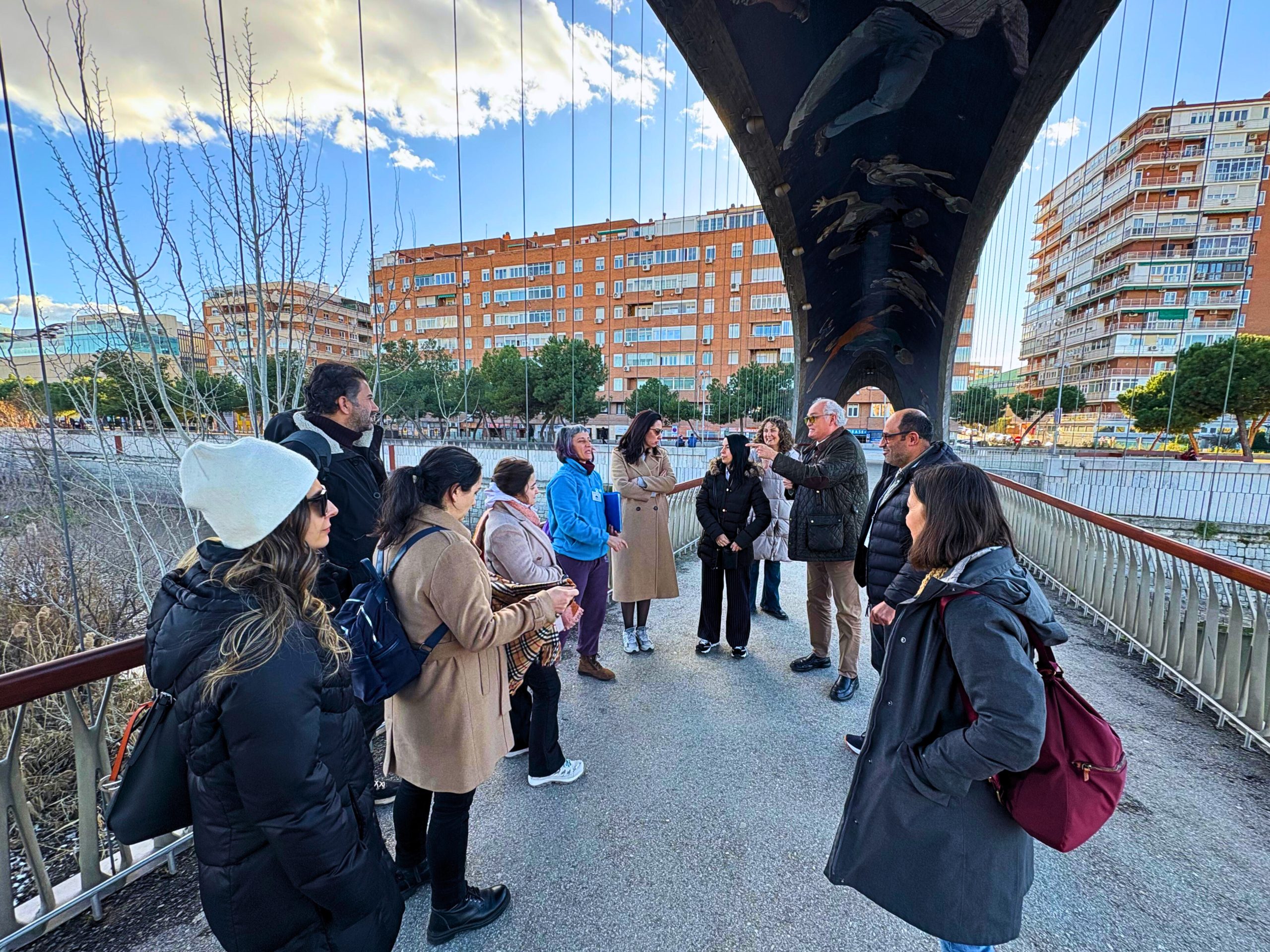
One of the most significant site visits in Madrid was to Madrid Río Park, a large-scale urban transformation project that converted a former highway into a green corridor. The delegation observed how this initiative has helped mitigate urban heat, promote biodiversity, and create healthier living environments. Discussions focused on how similar large-scale green infrastructure projects could be integrated into Türkiye’s urban climate action strategies.
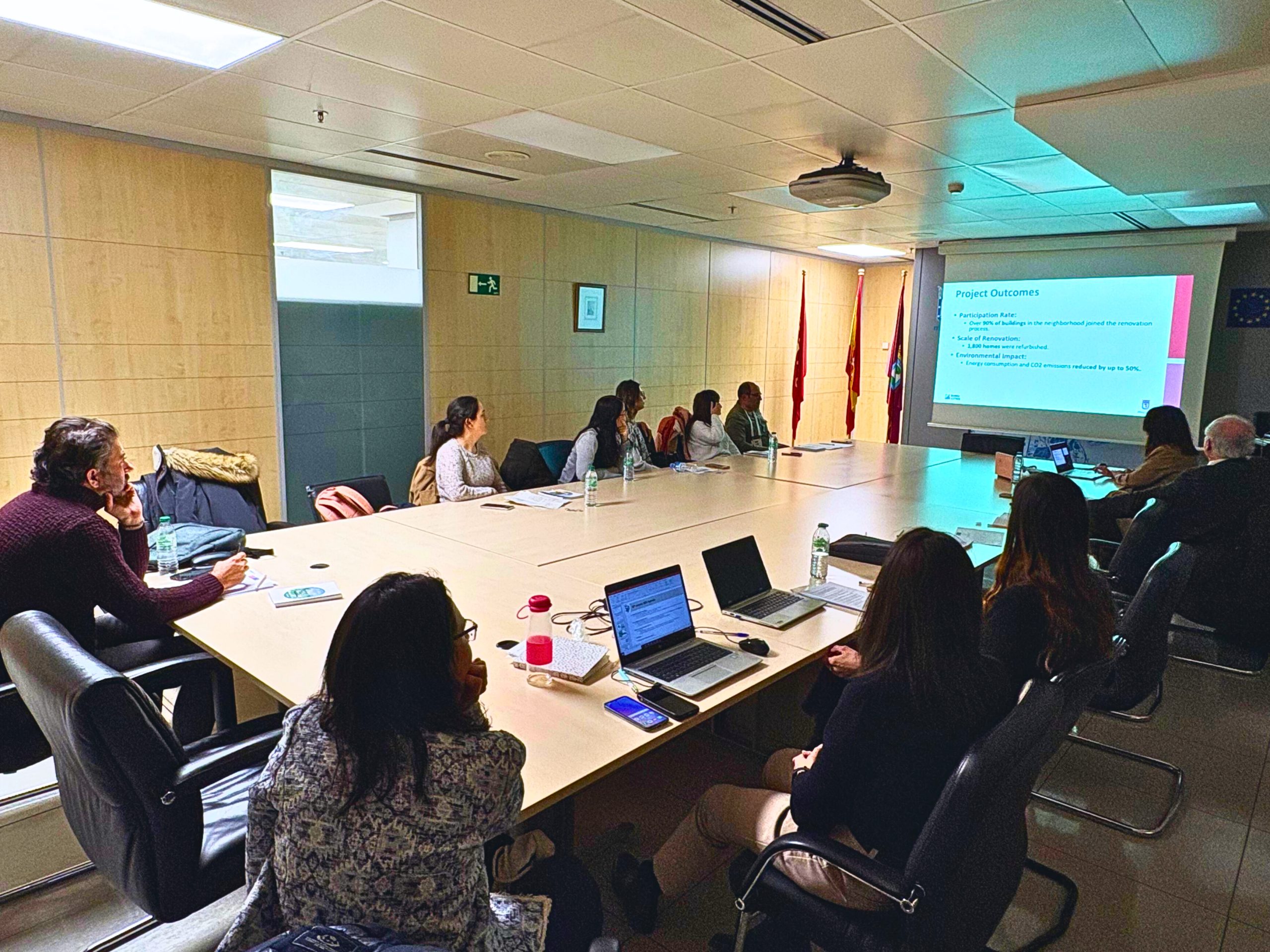
On the final day, meetings at the Technical University of Madrid’s Transport Research Center (TRANSyT) provided insights into urban sustainability, smart mobility solutions, and data-driven climate action. Presentations on the FORTHCOMING and citiES 2030 projects demonstrated how cities can accelerate their low-carbon transitions using data-driven management systems. Discussions also covered digital tools for emissions tracking, energy efficiency, and intelligent transportation planning. The potential collaboration between Turkish municipalities and these projects was explored, particularly in the areas of sustainable urban mobility, data-based transport planning, and innovative tools for climate action.
This visit significantly contributed to strengthening climate action efforts in Türkiye by enhancing international knowledge and experience sharing. The insights gained in Barcelona and Madrid will serve as a guiding framework for Türkiye’s local authorities, helping them take more effective and sustainable steps in addressing climate change at the local level.