
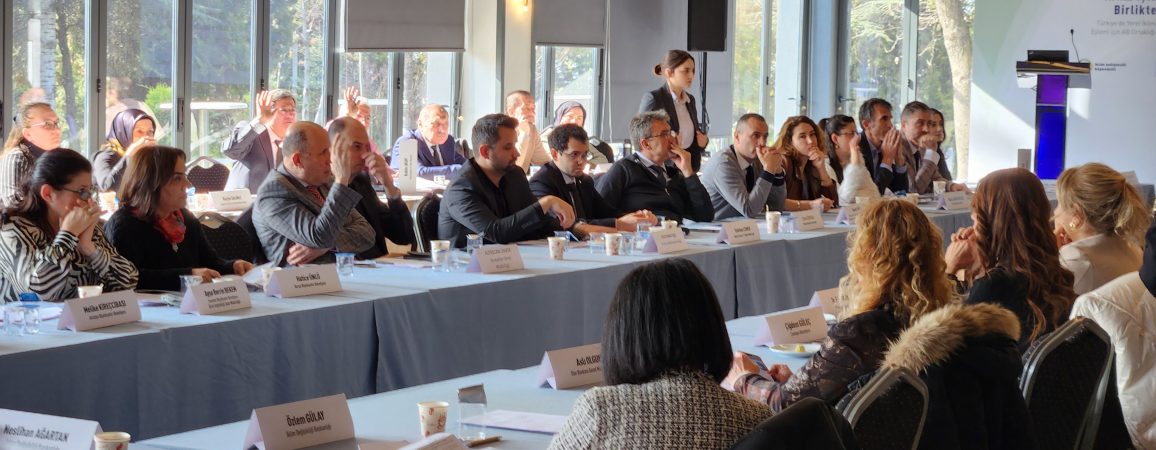
The LCCAP Legislation Workshop, organized under the EU Partnership for Local Climate Action in Türkiye Project, was successfully held in Ankara on 6-7 February 2025 to strengthen local capacity in Türkiye’s fight against climate change.
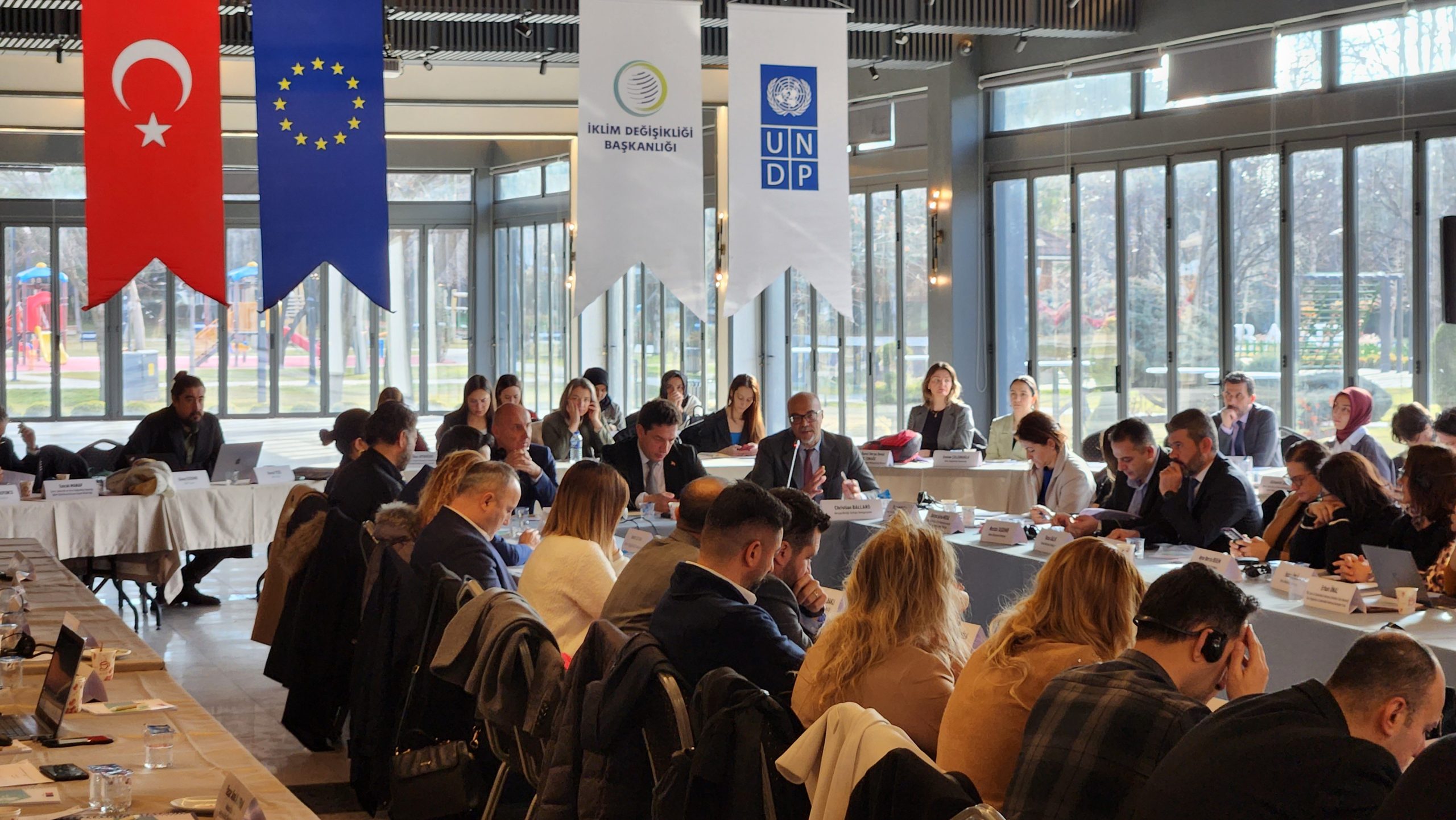
The workshop began with opening remarks from Orhan Solak, Deputy Director of Climate Change, Miodrag Dragišić, UNDP Türkiye Deputy Resident Representative, and Christian Ballarò, Energy, Environment, and Climate Change Programme Officer at the Delegation of the European Union to Türkiye. The legislation discussion sessions were moderated by Orhan Solak and Prof. Dr. Osman Balaban, UNDP Türkiye Urban Climate Change Key Expert.
Approximately 100 participants attended the workshop, including representatives from metropolitan, provincial, and district municipalities, as well as governorates, special provincial administrations, relevant central, regional, and local units of ministries, and members of the academia and professional organizations. Participants focused on how to strengthen the legal framework for the preparation, implementation, and monitoring of LCCAPs to develop more effective local climate policies in Türkiye.
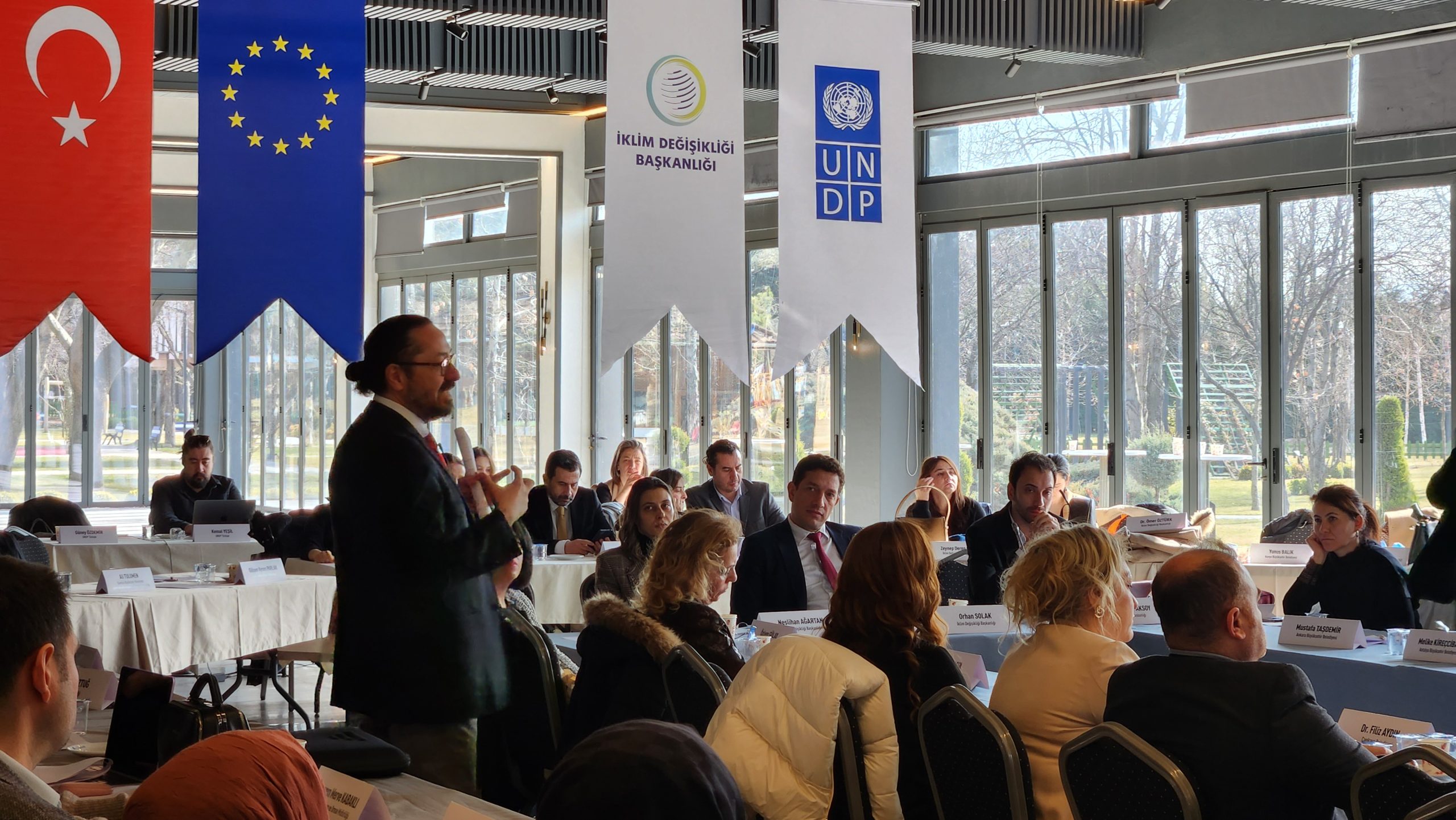
The workshop continued with a panel featuring project experts M. Kemal Demirkol, Ceren Ballı Gözen, and Rifat Ünal Sayman. The panel discussions focused on the key components of the technical guideline, which will complement the draft LCCAP legislation. This technical guideline is designed to serve as a roadmap for local authorities in implementing their climate action plans effectively.
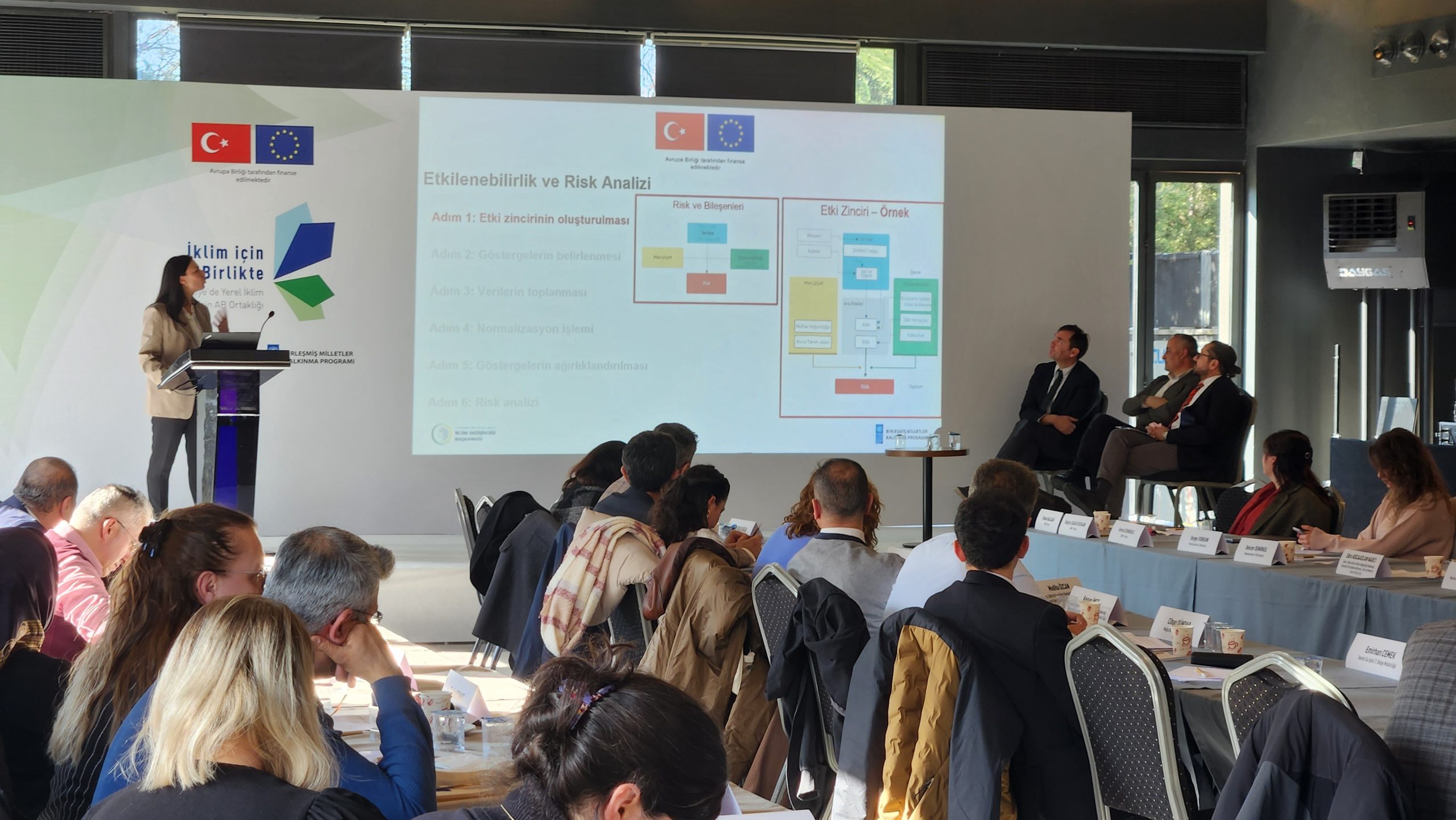
Additionally, Melike Kireççibaşı, Head of the Climate Change and Zero Waste Department of Antalya Metropolitan Municipality, and Ayşe Berrin Bekem, Chief of Climate Change Monitoring Studies of İstanbul Metropolitan Municipality, shared their experiences in preparing and implementing local climate action plans. Their presentations provided valuable insights into the challenges, best practices, and opportunities encountered on the ground. The municipalities highlighted administrative, technical, and financial barriers they face in achieving climate adaptation and emission reduction targets and shared the strategies they have developed to overcome these obstacles.
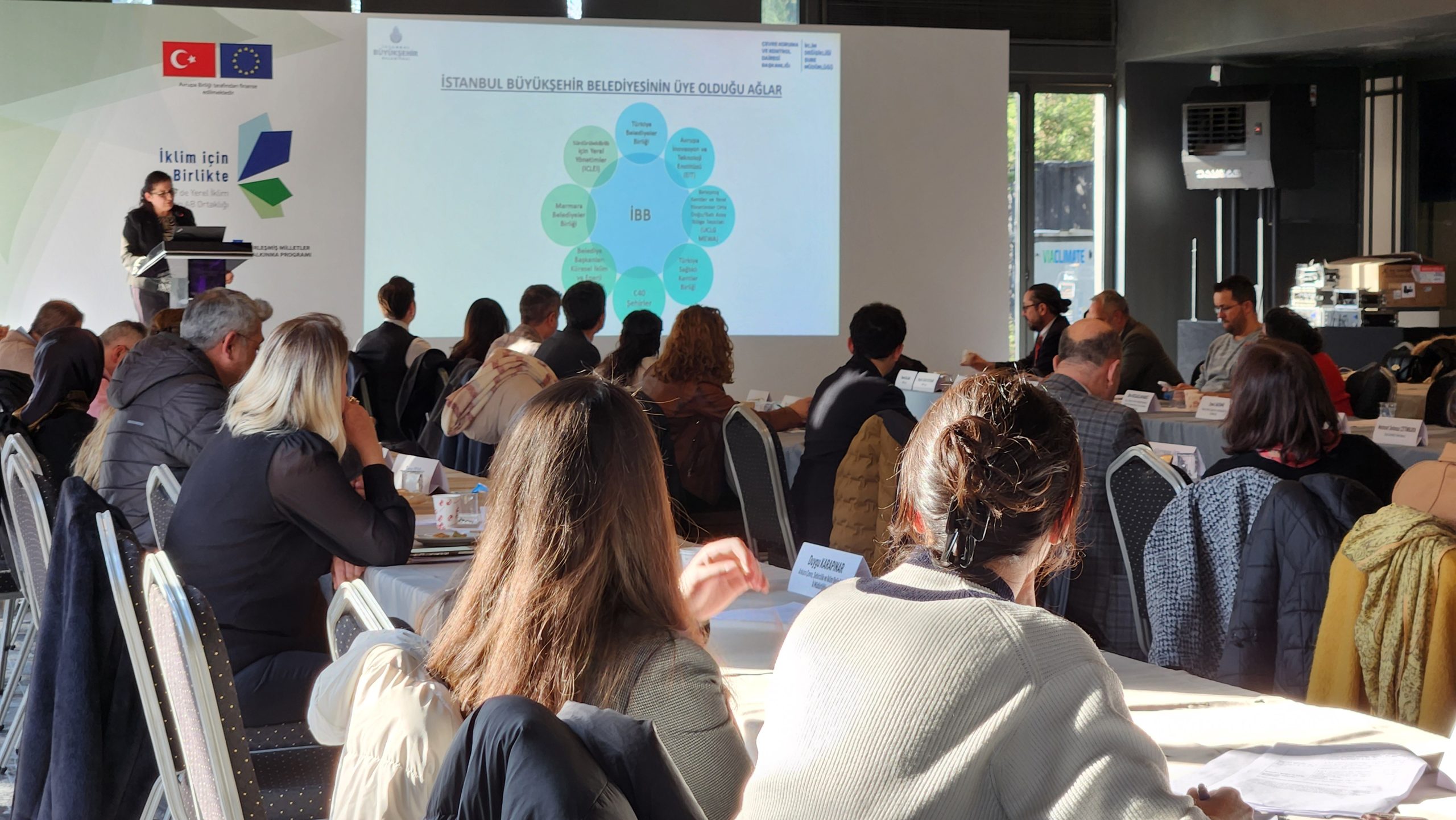
The discussions throughout the workshop provided critical insights for making local climate actions in Türkiye stronger, more sustainable, and more effective. The experiences and feedback from participants will contribute to shaping the legal framework and support Türkiye’s efforts to take more robust steps at the local level in addressing climate change.